
Spanish story with translation · A2 · 16 lines
Echo de menos aquel barrio aburrido I miss that boring neighborhood
Comic · 13 panels
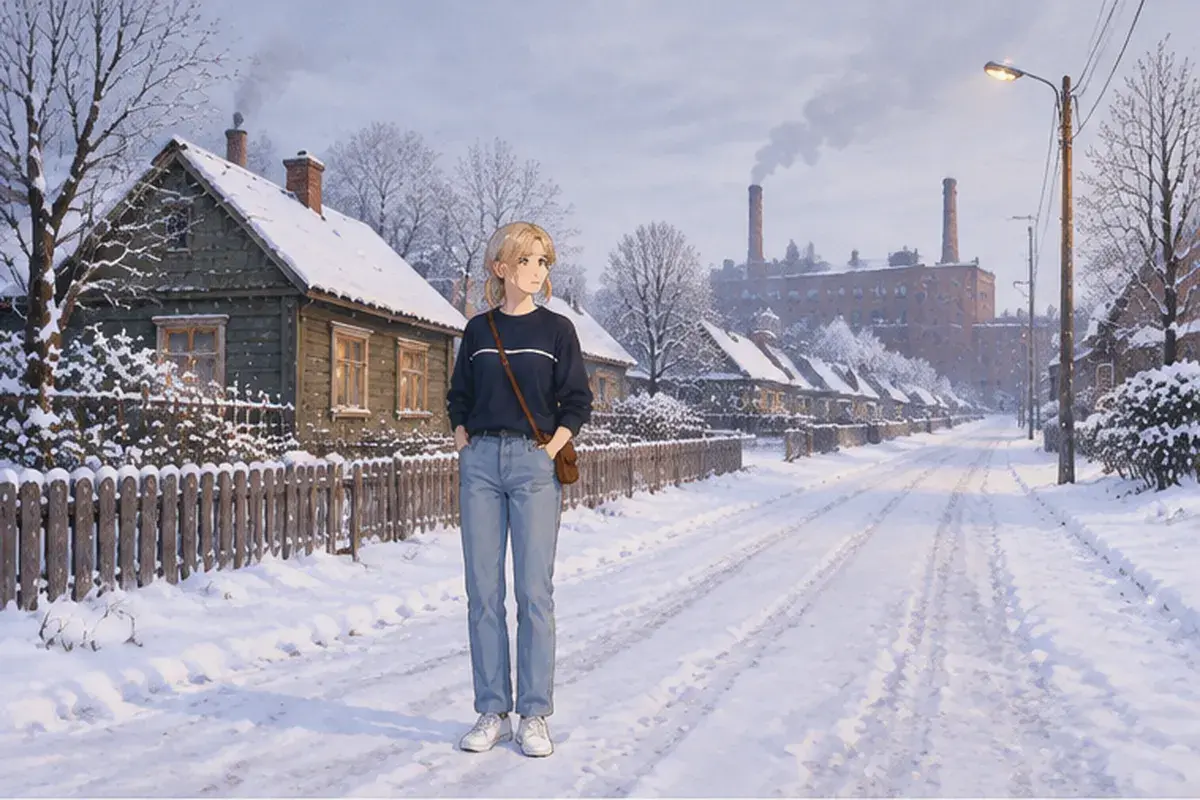
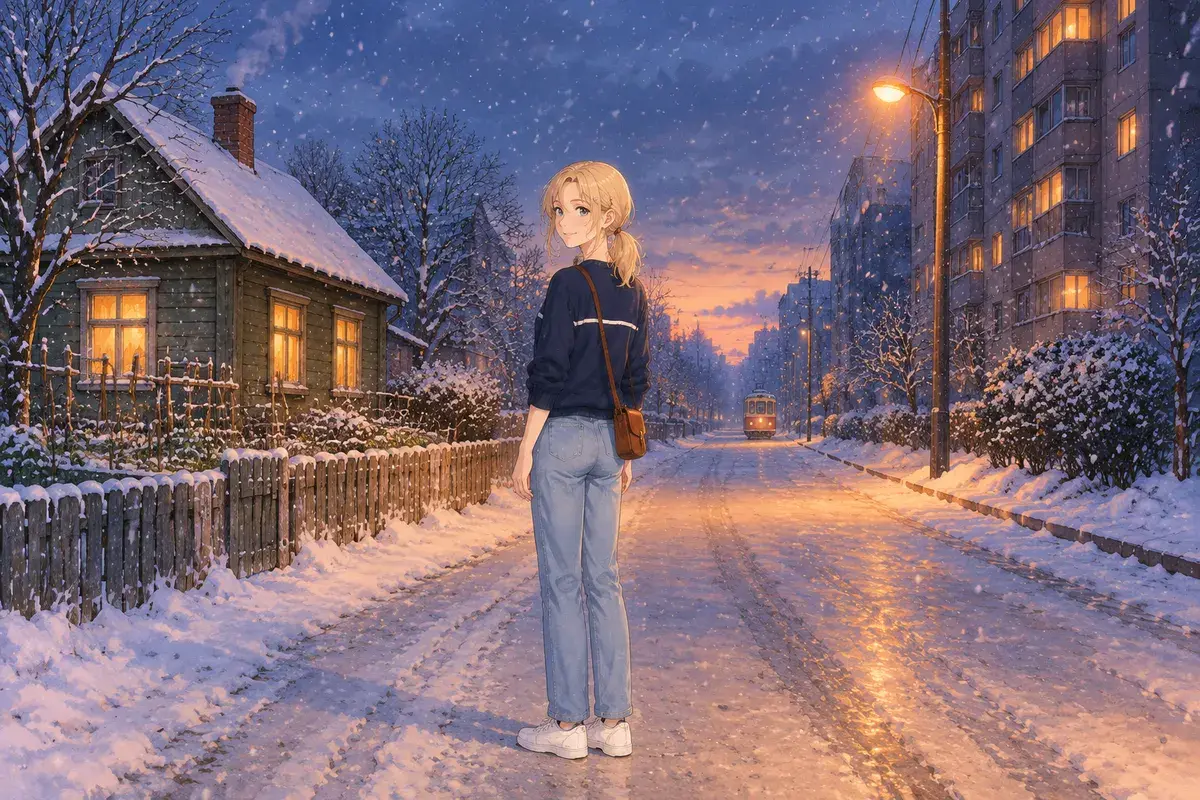
Crecí lejos de aquí, en las afueras de una ciudad grande. Era una zona muy tranquila.
I grew up far from here, on the outskirts of a big city. It was a very quiet area.
En aquella época mi barrio era casi una aldea.
In those days my neighborhood was almost a village.
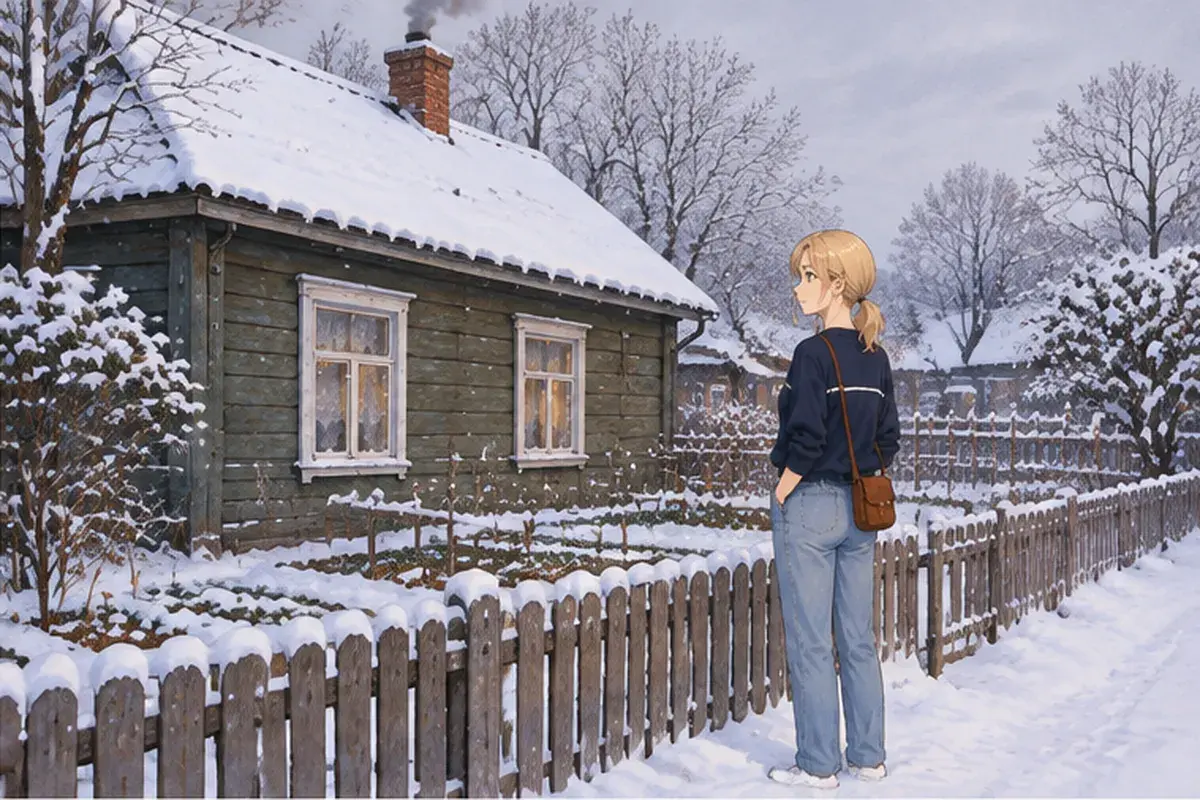
Las casas eran bajas y viejas. Cada casa tenía una chimenea y un huerto pequeño.
The houses were low and old. Every house had a chimney and a small vegetable garden.
En invierno hacía mucho frío y nevaba casi todos los días.
In winter it was very cold and it snowed almost every day.
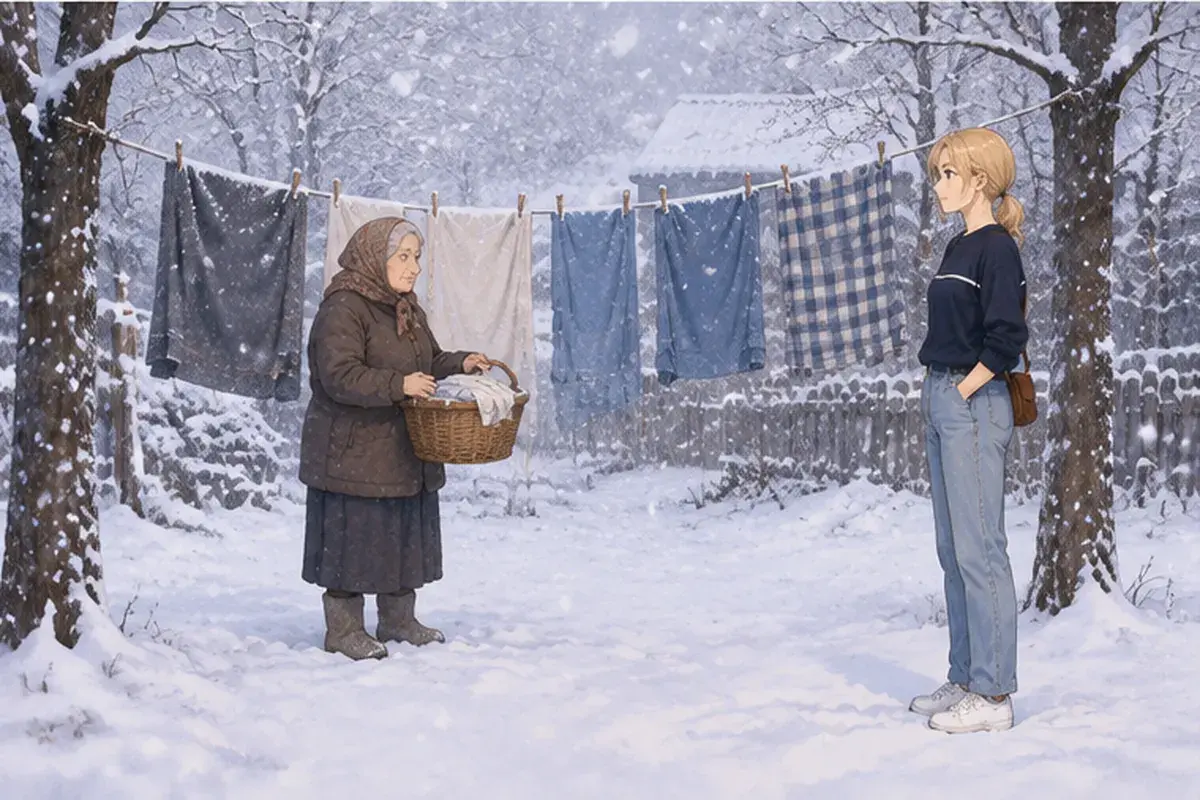
Pero mi abuela tendía la ropa fuera, en una cuerda entre dos árboles, también en invierno.
But my grandmother hung the laundry outside, on a line between two trees, in winter too.
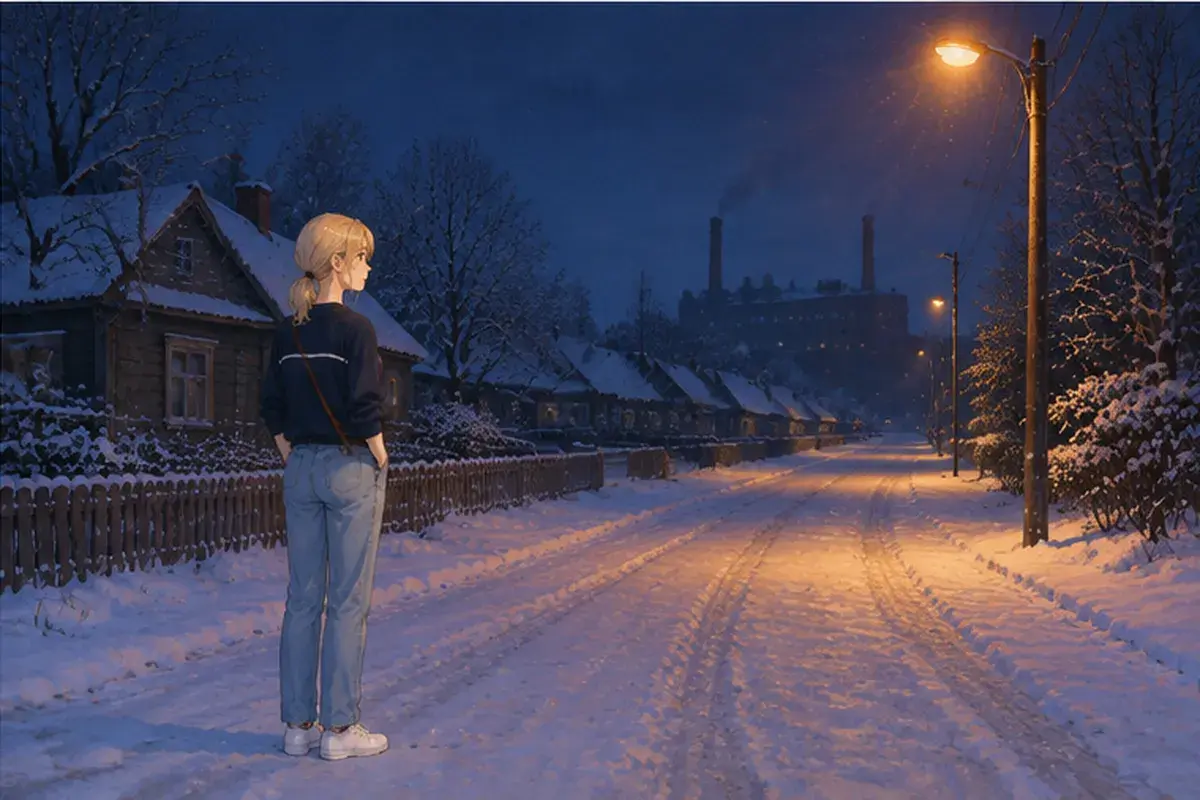
En mi calle solo había una farola. Por la noche la calle estaba oscura, vacía y en silencio.
On my street there was only one streetlight. At night the street was dark, empty and silent.
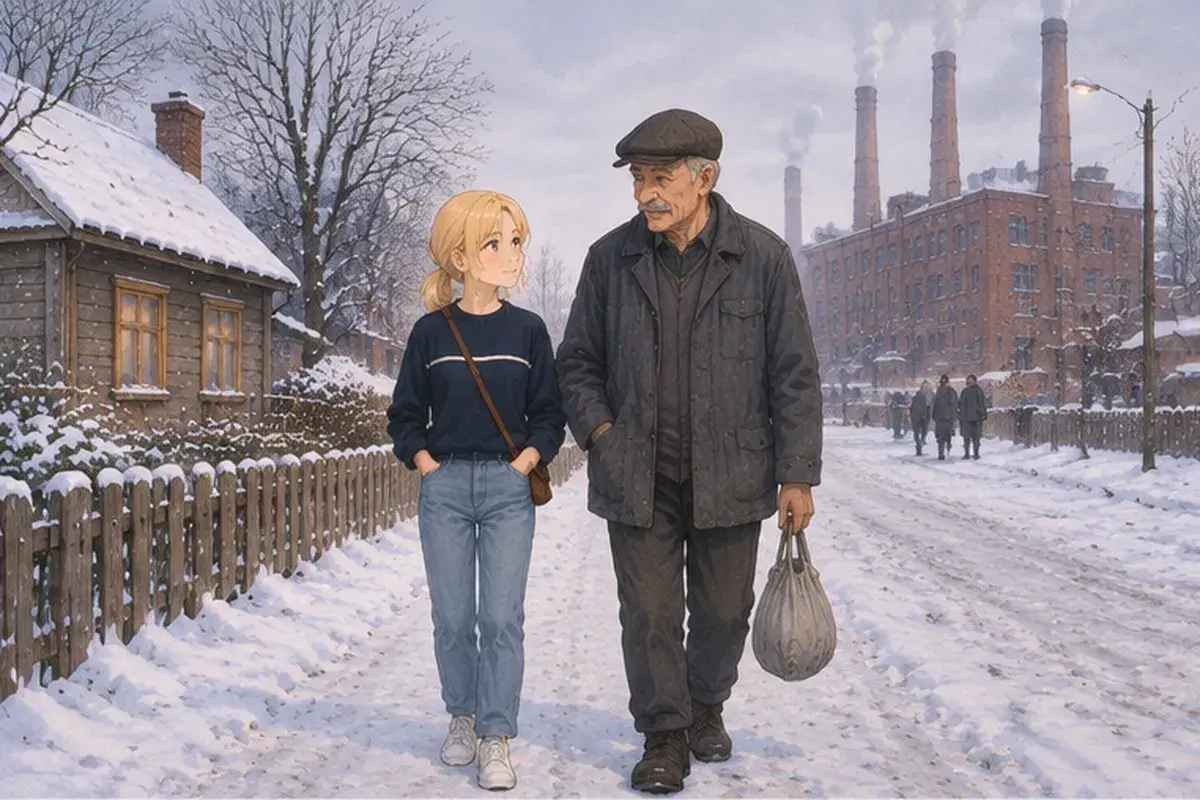
Cerca había una fábrica grande. Casi todos los vecinos trabajaban allí, y mi abuelo también.
Nearby there was a big factory. Almost all the neighbors worked there, and so did my grandfather.
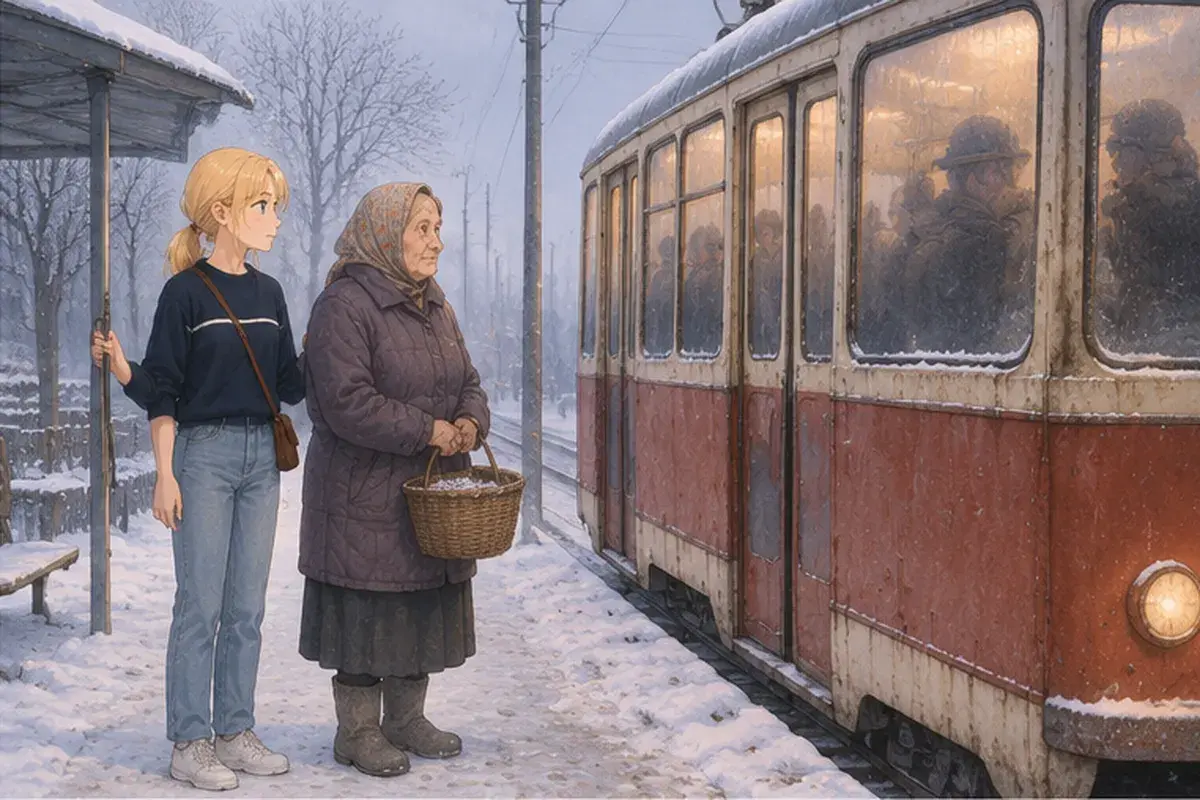
Para ir al centro cogíamos un tranvía viejo y lento. Siempre iba lleno.
To go downtown we used to take an old, slow streetcar. It was always packed.
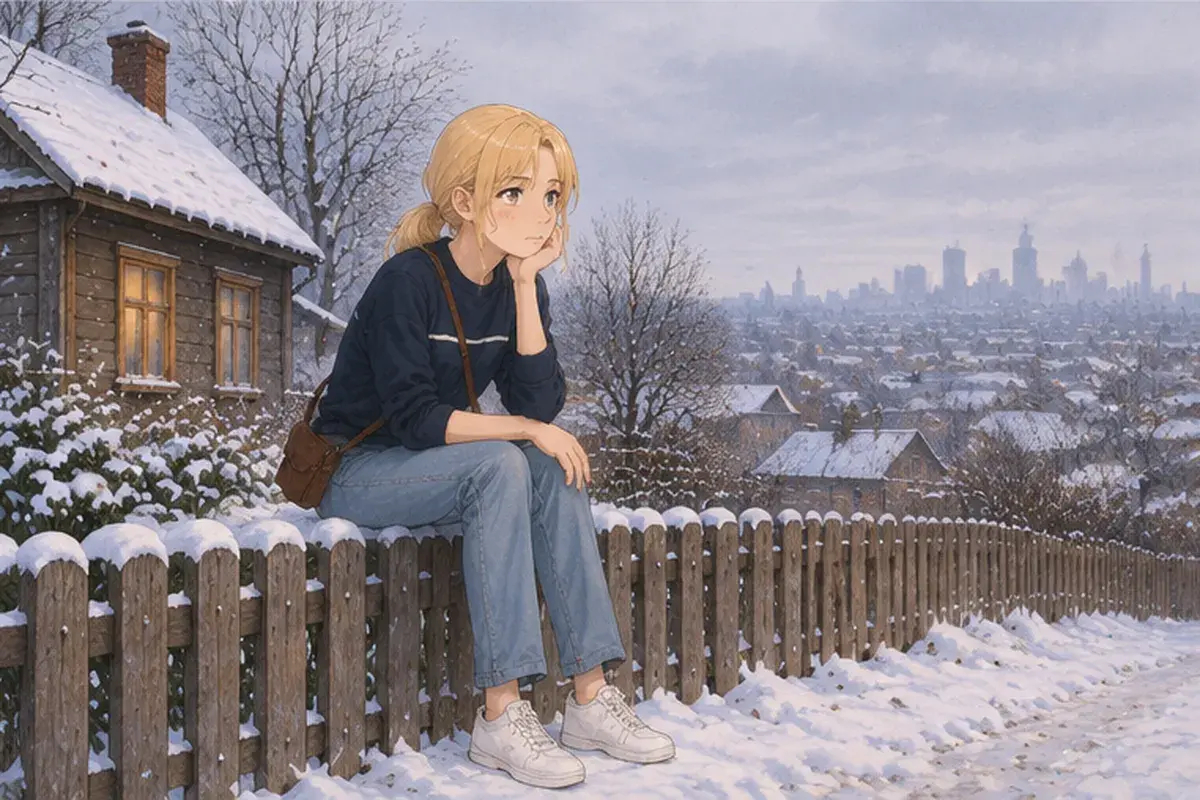
A mí el barrio me parecía aburrido. Yo quería vivir en el centro.
To me the neighborhood seemed boring. I wanted to live downtown.
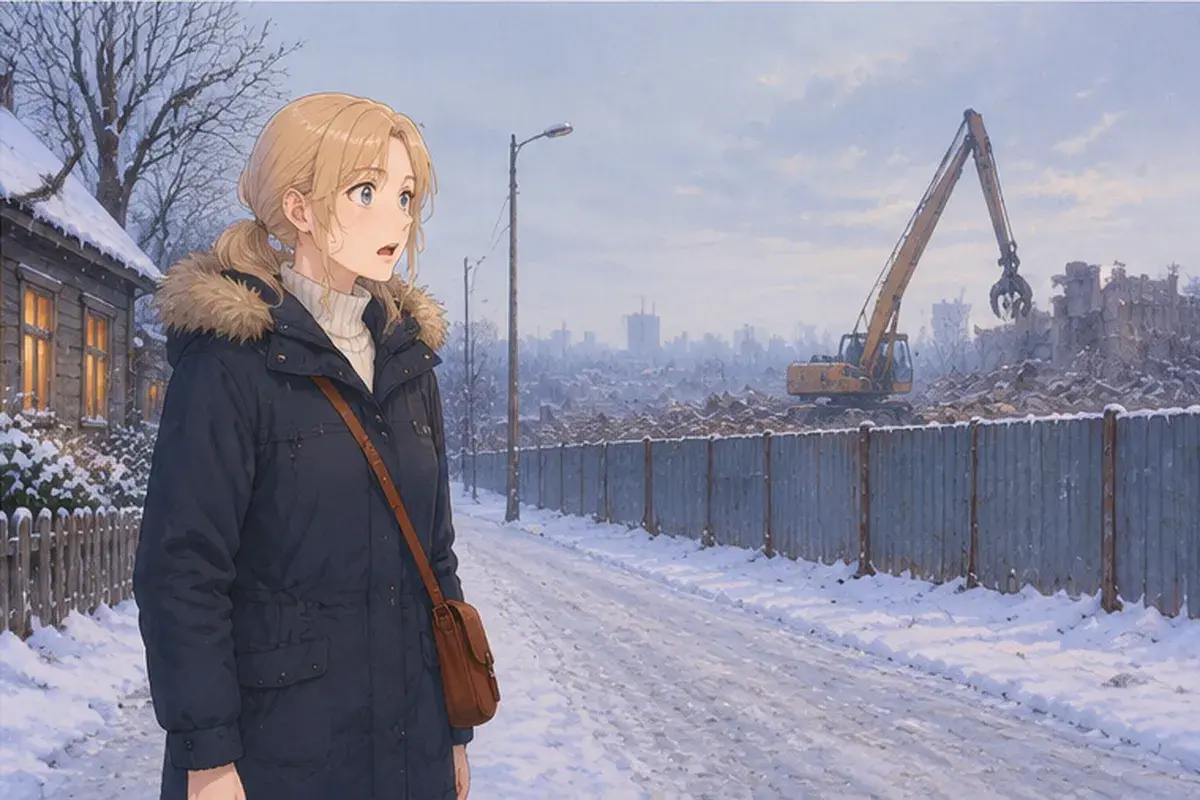
El año pasado visité mi antiguo barrio. ¡Qué sorpresa!
Last year I visited my old neighborhood. What a surprise!
La fábrica ya no existe: la derribaron hace diez años.
The factory doesn't exist anymore: they tore it down ten years ago.
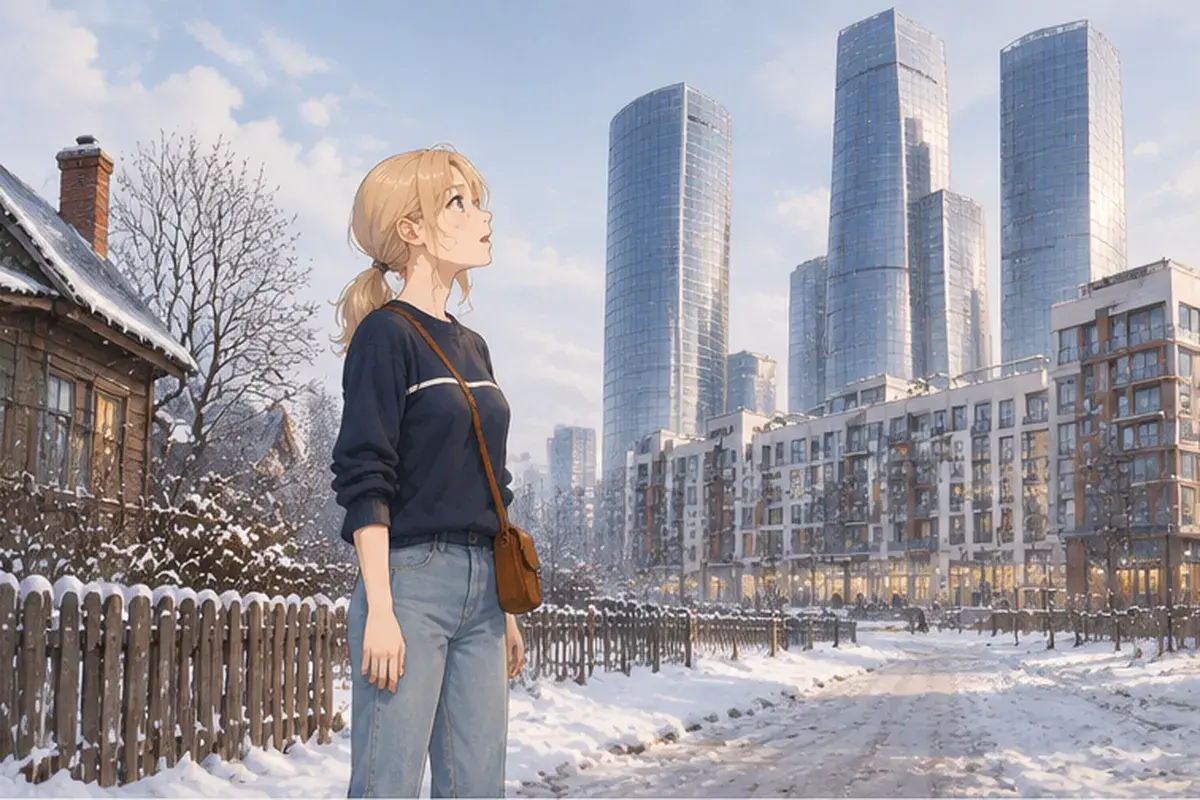
Las casas con huerto han desaparecido. Ahora hay una urbanización y tres rascacielos.
The houses with vegetable gardens have disappeared. Now there's a housing development and three skyscrapers.
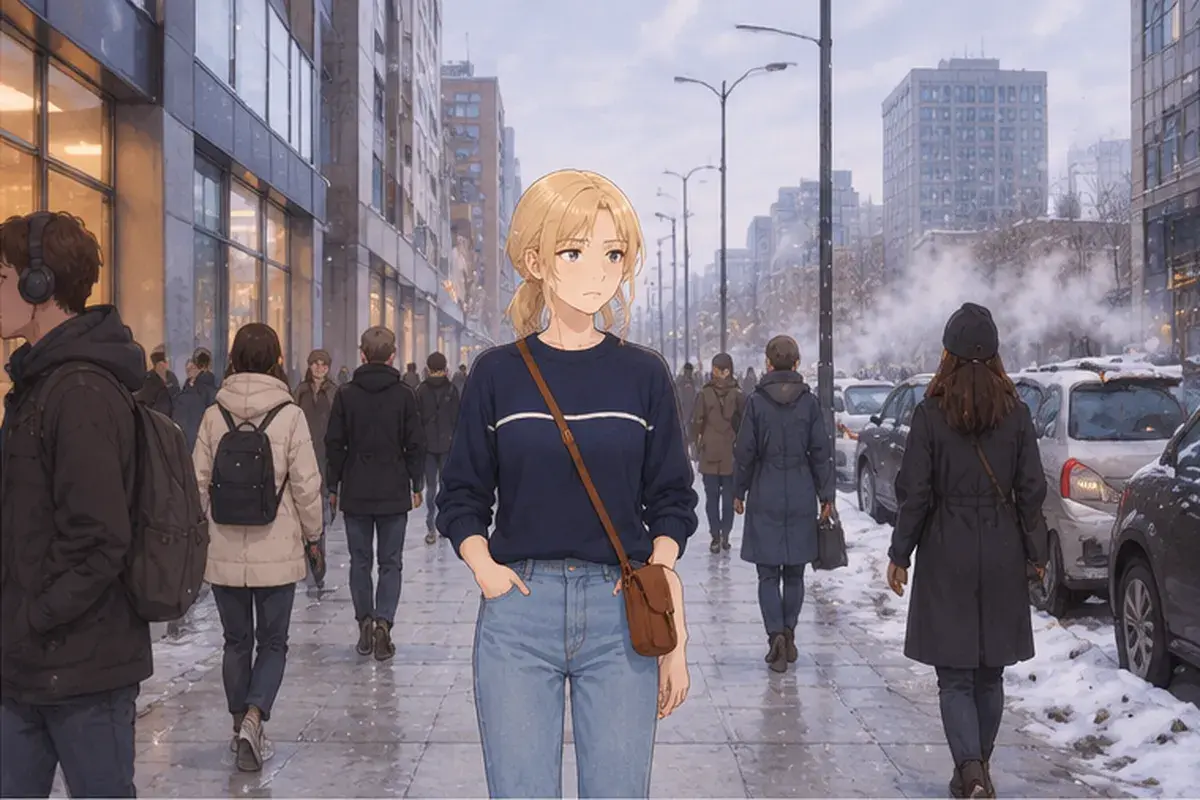
Hay aceras, farolas y tiendas, pero también hay mucho más ruido y contaminación.
There are sidewalks, streetlights and stores, but there's also much more noise and pollution.
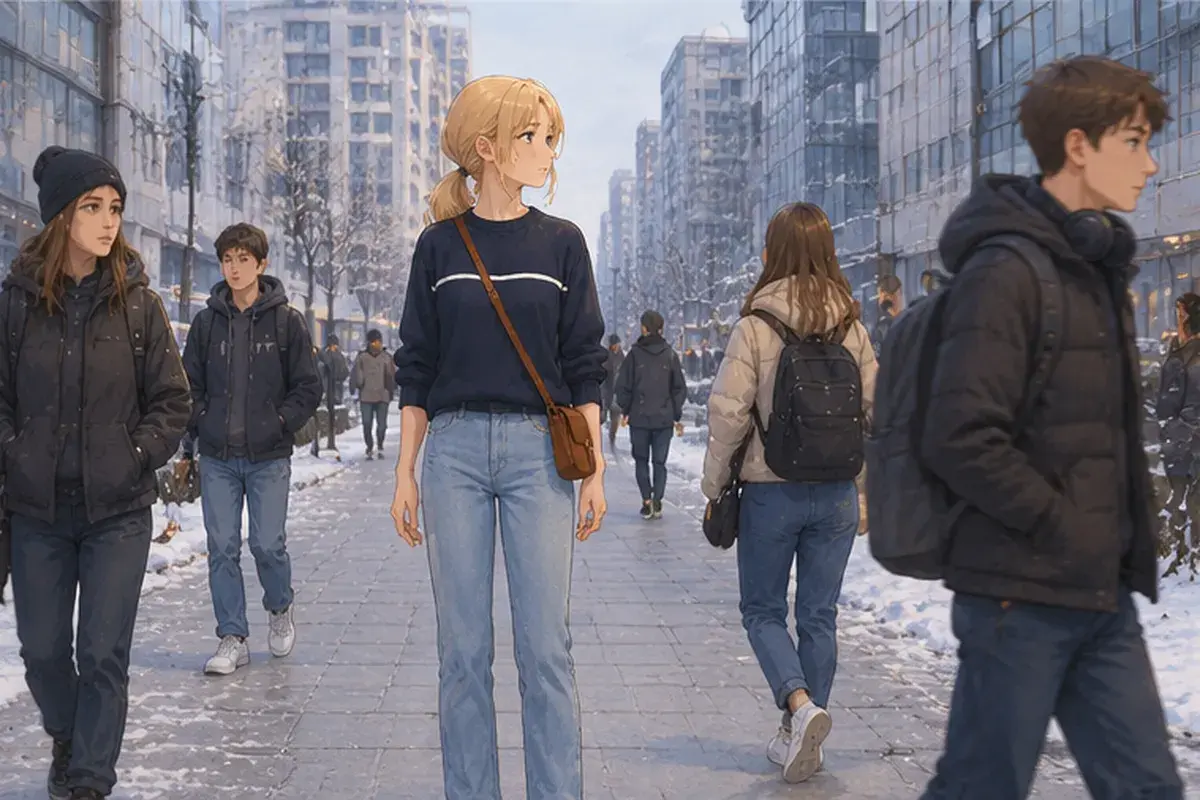
Busqué a los ancianos de mi calle, pero no encontré a nadie.
I looked for the old people from my street, but I didn't find anyone.
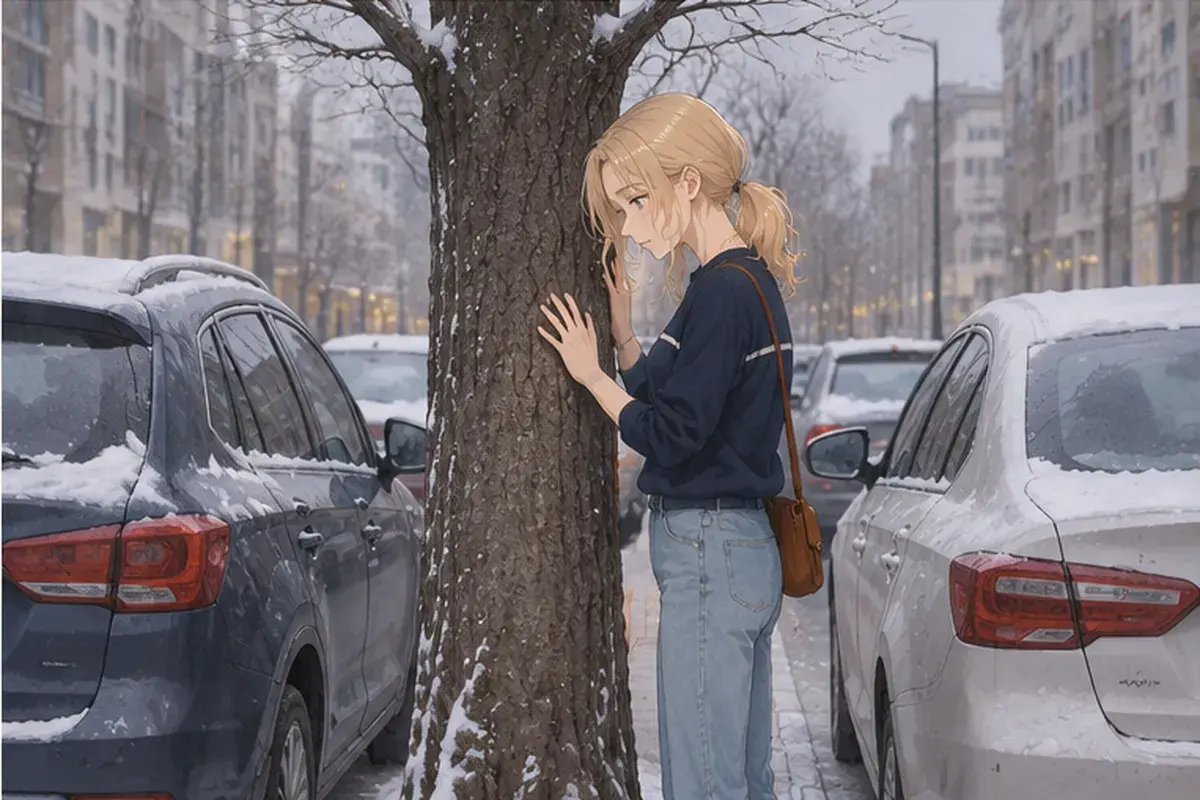
Solo encontré una cosa de antes: un árbol de mi abuela, entre dos coches.
I found only one thing from before: one of my grandmother's trees, between two cars.
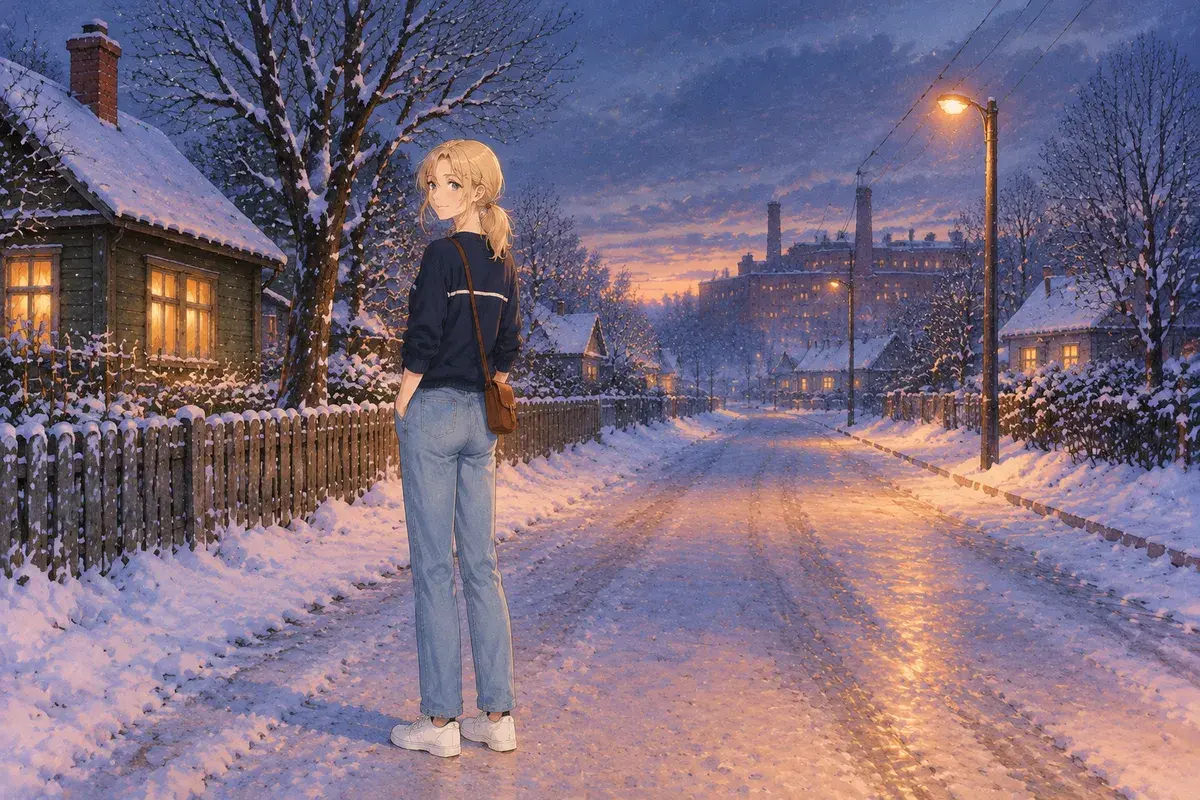
Qué raro: de pequeña quería irme de allí, y ahora echo de menos aquel barrio aburrido.
How strange: as a little girl I wanted to get away from there, and now I miss that boring neighborhood.
Grammar for this text
How things were: the imperfect. The first half of the story is a description: mi barrio era casi una aldea, cada casa tenía una chimenea, hacía mucho frío y nevaba, la calle estaba oscura. Habits are in the imperfect too (unit 12): mi abuela tendía la ropa, cogíamos un tranvía.
Había — "there was / there were": solo había una farola, había una fábrica grande.
What happened next is in the preterite (units 7–9): visité, busqué, no encontré. La derribaron — "they tore it down" (la is la fábrica, the factory): the verb is in the "they" form with no subject, just like English "they" when it doesn't matter who did it.
Han desaparecido — "have disappeared" (and they're still gone): the present perfect, unit 2.
Quería irme — "I wanted to leave": irse (unit 10), with the pronoun attached to the infinitive. De pequeña — "as a little girl", when a woman talks about herself.
Siempre iba lleno — "it was always packed", literally "it always went full": iba is ir in the imperfect (unit 12).
Words and grammar of the unit: Describe how your neighborhood used to be.
Learn the words from the texts with flashcards
In the app, you can tap any word in a text to see its translation, forms and examples, and new words stick with flashcards. 15 minutes a day.
Start for freeEverything is open for free. No card needed to sign up.