

Spanish story with translation · B1 · 17 lines
No le des jamón Don't give him ham
Comic · 13 panels
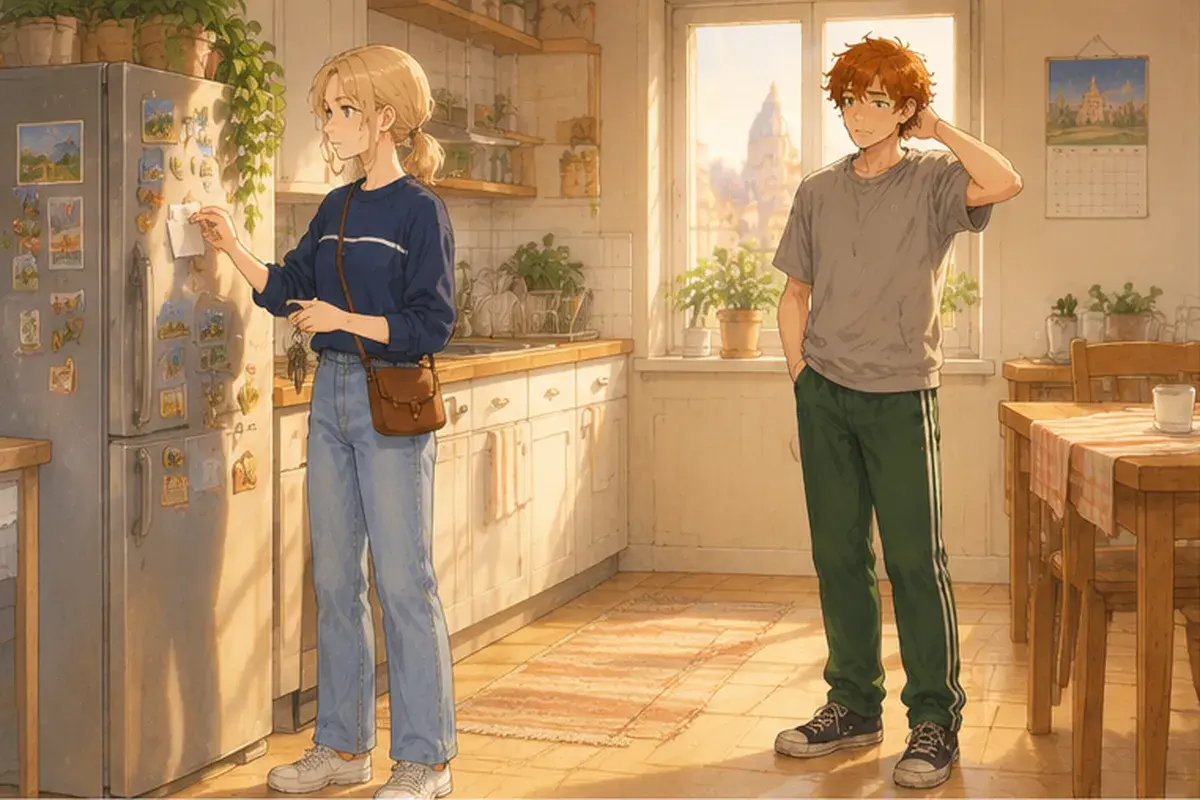
Hola, Dani: Aquí tienes las instrucciones. Las dejo en la nevera para que las leas mientras desayunas.
Hi, Dani! Here are the instructions. I'm leaving them on the fridge so you'll read them while you have breakfast.
Las llaves. Déjalas siempre en el llavero de la entrada para que no se pierdan.
The keys. Always leave them on the key holder in the entryway so they don't get lost.
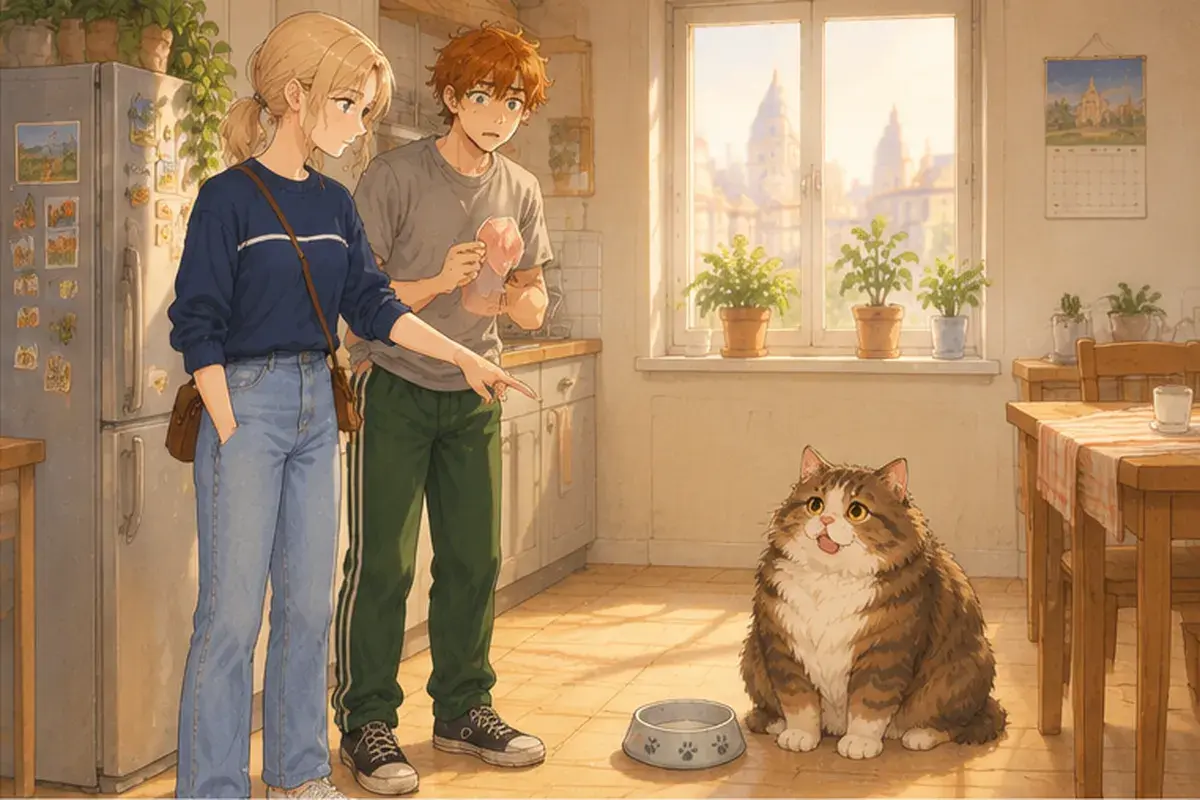
Coco. El veterinario dice que hay que alimentarlo solo con comida para gatos. No le des jamón. Sí, Dani, lo sé todo.
Coco. The vet says you have to feed him only cat food. Don't give him ham. Yes, Dani, I know everything.
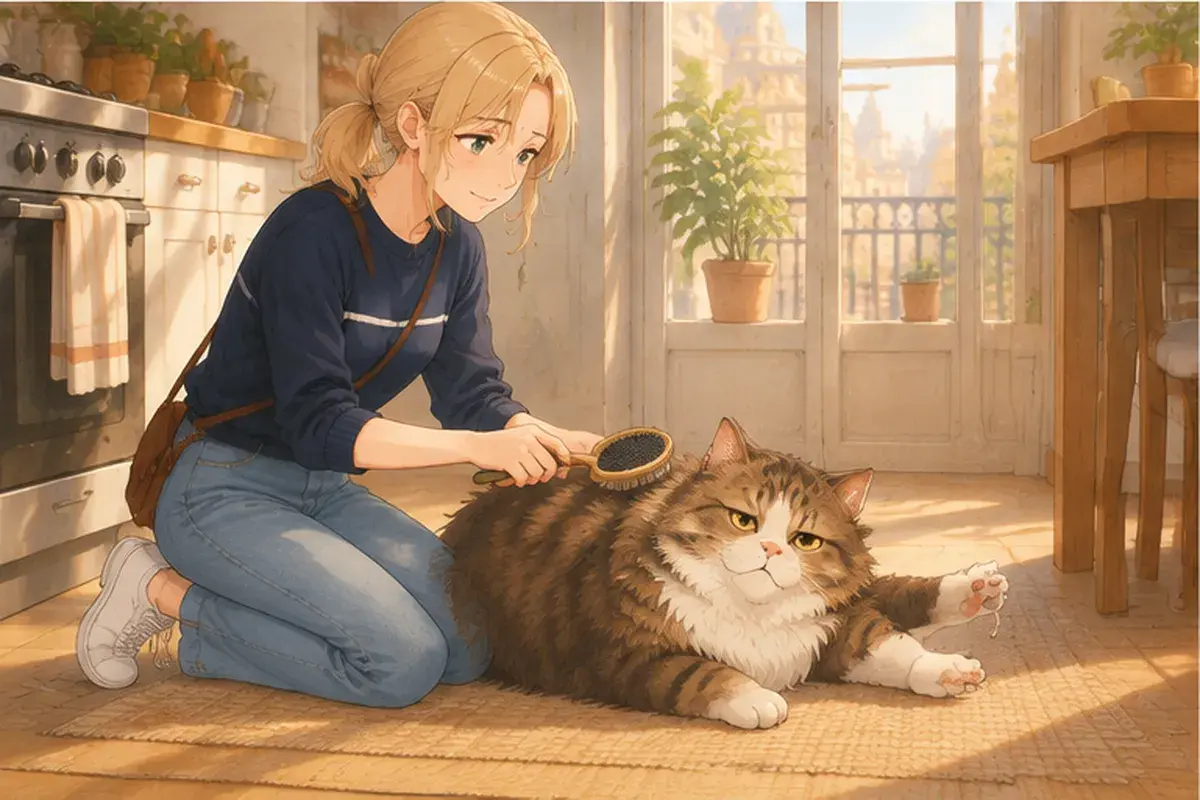
Los domingos suelo cepillarlo para que no deje pelos por toda la casa. Hazlo despacio: no le gusta nada.
On Sundays I usually brush him so he doesn't leave hair all over the house. Do it slowly: he doesn't like it at all.

Las plantas. Si ves hojas o flores secas, es por falta de agua: riégalas un poco más.
The plants. If you see dry leaves or flowers, it's from a lack of water: water them a little more.
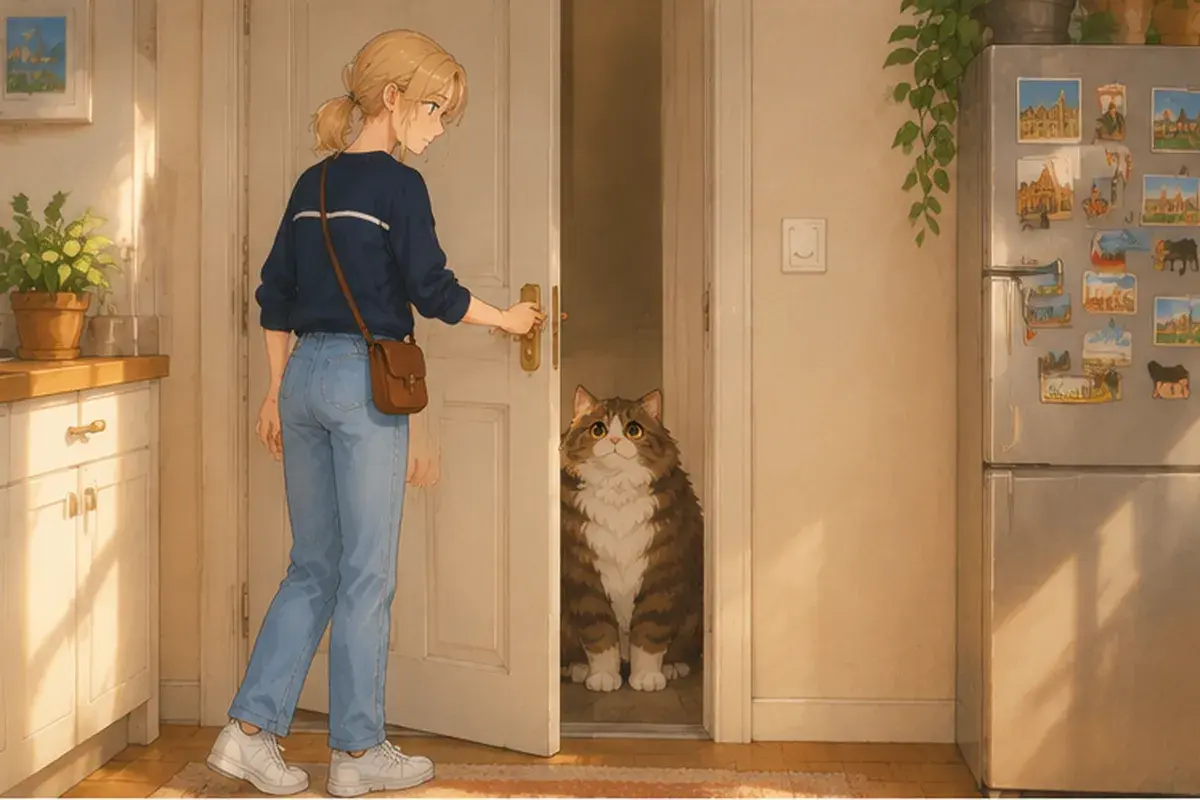
Abre la ventana de mi habitación diez minutos al día para ventilar. Pero antes cierra la puerta para que Coco no entre.
Open the window in my room for ten minutes a day to air it out. But first close the door so Coco doesn't get in.
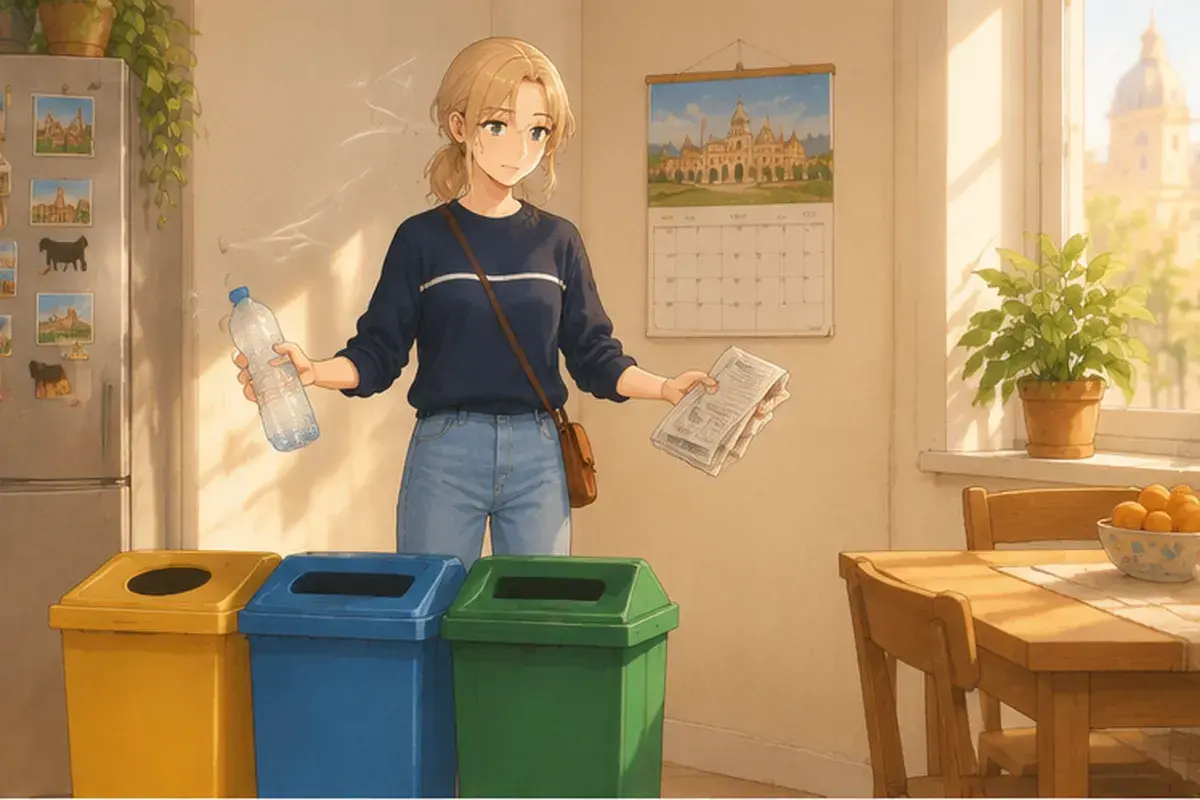
La basura. En esta casa reciclamos, y te lo explico otra vez para que no tengas excusa.
The trash. In this house we recycle, and I'm explaining it to you again so you have no excuse.
El contenedor amarillo es para los envases de plástico y las latas. El azul es para el papel y el cartón, y el verde, para el vidrio.
The yellow bin is for plastic packaging and cans. The blue one is for paper and cardboard, and the green one is for glass.
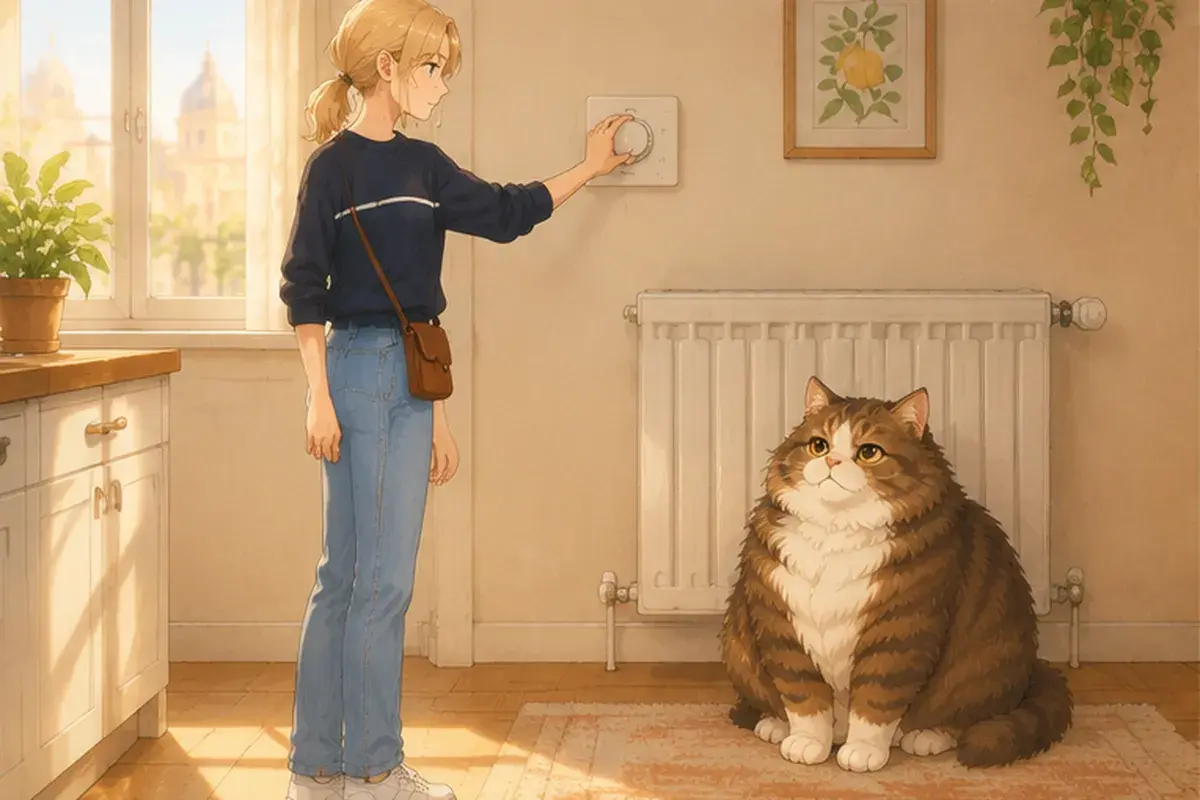
La calefacción. No subas el termostato a treinta grados «para que Coco no tenga frío»: él ya lleva abrigo.
The heating. Don't turn the thermostat up to thirty degrees "so Coco isn't cold": he's already wearing a coat.

Tu cargador. Sueles dejarlo enchufado en el salón todo el día. Desenchúfalo al salir de casa, por favor.
Your charger. You usually leave it plugged in all day in the living room. Unplug it when you leave the house, please.
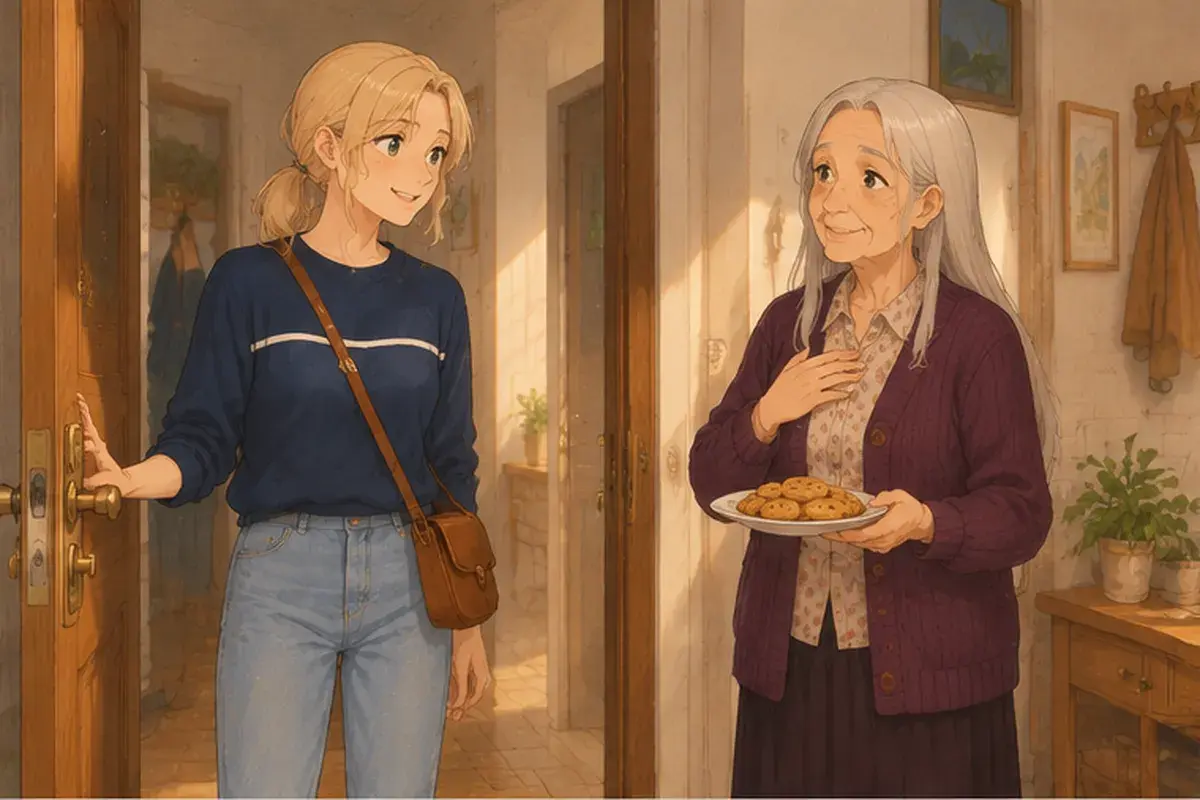
En caso de emergencia, por ejemplo una fuga de agua o de gas, avisa a Carmen, la dueña. Vive en el sexto.
In case of emergency, like a water or gas leak, tell Carmen, the landlady. She lives on the sixth floor.
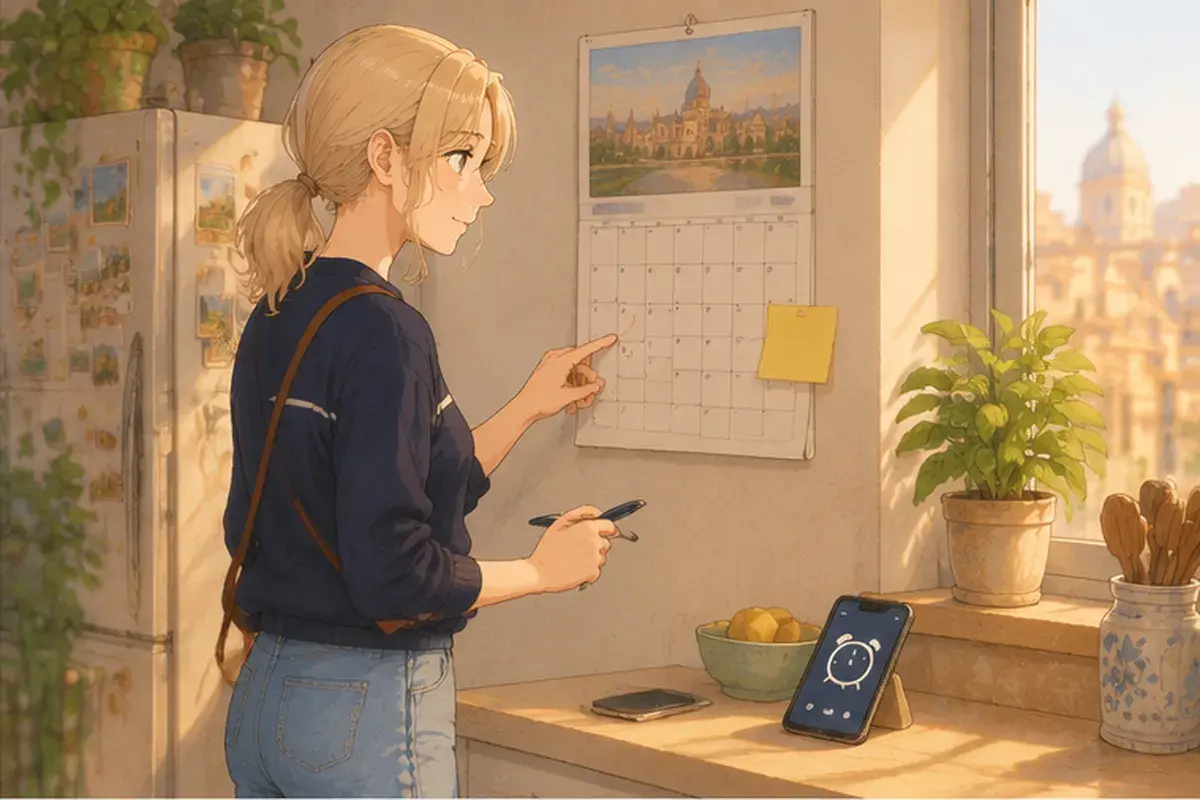
Te he puesto un recordatorio en el calendario de la cocina para que te acuerdes de regar.
I've put a reminder for you on the kitchen calendar so you remember to do the watering.
Y ponte una alarma en el móvil a las ocho para que Coco desayune a su hora.
And set an alarm on your phone for eight so Coco gets his breakfast on time.

Recuerda que una mascota no solo necesita comida. Habla con él de vez en cuando: le gusta.
Remember that a pet doesn't just need food. Talk to him from time to time: he likes it.

Una cosa más. Suelo decir que Coco es muy tranquilo, pero no siempre es verdad.
One more thing. I usually say Coco is very calm, but that's not always true.
A las cinco de la mañana suele arañar tu puerta para que le abras. No le abras.
At five in the morning he usually scratches at your door so you'll open it for him. Don't open it.

Te dejo unos tapones encima de la mesa: yo que tú, los usaría. ¡Suerte, y gracias por todo!
I'm leaving you some earplugs on the table: if I were you, I'd use them. Good luck, and thanks for everything!
Grammar for this text
A note is a chain of "do…, so that…". A command + para que + subjunctive: déjalas siempre en el llavero de la entrada para que no se pierdan, cierra la puerta para que Coco no entre, ponte una alarma… para que Coco desayune a su hora.
Who acts? Abre la ventana… para ventilar — you open it and you air out the room: infinitive. Te lo explico otra vez para que no tengas excusa — I explain, and you're the one who won't have an excuse: para que.
Soler for habits: suelo cepillarlo (I usually brush him), sueles dejarlo enchufado (you usually leave it plugged in), suele arañar tu puerta (he usually scratches at your door).
Small things. Déjalas, riégalas, desenchúfalo — a command with the pronoun attached at the end (unit 12); then the verb gets a written accent. No subas, no le abras — "don't…" (unit 16). Recycling bin colors in Spain: yellow — packaging, blue — paper and cardboard, green — glass.
Words and grammar of the unit: Leave your keys and your pet with a friend.
Learn the words from the texts with flashcards
In the app, you can tap any word in a text to see its translation, forms and examples, and new words stick with flashcards. 15 minutes a day.
Start for freeEverything is open for free. No card needed to sign up.