

Spanish story with translation · B2 · 18 lines
La serie de la que todo el mundo habla The series everyone is talking about
Comic · 9 panels

Este fin de semana he visto entera «Un hombre sin ayer», la serie de moda de la que todo el mundo habla.
This weekend I watched all of "Un hombre sin ayer", the trendy series everyone is talking about.
Es de una cadena española, se rodó en un pueblo de la costa de Galicia y se basa en un libro poco conocido.
It's from a Spanish TV channel, it was shot in a town on the coast of Galicia, and it's based on a little-known book.

El protagonista, Julián, es un abogado poderoso de Madrid que vuelve a su pueblo para la boda de su hermana.
The main character, Julián, is a powerful lawyer from Madrid who goes back to his hometown for his sister's wedding.
No ha estado allí en veinte años, pero saluda a los vecinos como si nada, como si fuera un turista más.
He hasn't been there in twenty years, but he greets the neighbors as if nothing happened, as if he were just another tourist.

Vive como si el pasado no existiera: ha borrado las fotos, los nombres y hasta su acento.
He lives as if the past didn't exist: he's erased the photos, the names and even his accent.
Pero hay cosas que no se borran: tiene una cicatriz en la mano y nunca cuenta cómo se la hizo.
But there are things that can't be erased: he has a scar on his hand and never says how he got it.

Capítulo a capítulo entendemos qué oculta: un gran amor de hace veinte años, cuando él era adolescente.
Episode by episode, we understand what he's hiding: a great love from twenty years ago, when he was a teenager.
En la historia hay de todo: un divorcio, una amante, una pasión ciega y un trauma del que nadie habla.
The story has everything: a divorce, a mistress, a blind passion and a trauma nobody talks about.

Lo más importante casi nunca se dice, solo se adivina, y por eso resulta tan impactante.
The most important thing is almost never said, only guessed, and that's why it's so striking.
El villano es el alcalde, un hombre cruel que sonríe siempre y habla como si el pueblo fuera suyo.
The villain is the mayor, a cruel man who always smiles and talks as if the town were his.

Lo más realista es el sufrimiento de Clara, la hermana de Julián: no llora ni grita, sonríe como si no le doliera nada.
The most realistic part is the suffering of Clara, Julián's sister: she doesn't cry or scream, she smiles as if nothing hurt.
Lo mejor es que Julián no es ni noble ni cruel: es solo un hombre con mucho miedo.
The best part is that Julián is neither noble nor cruel: he's just a very frightened man.
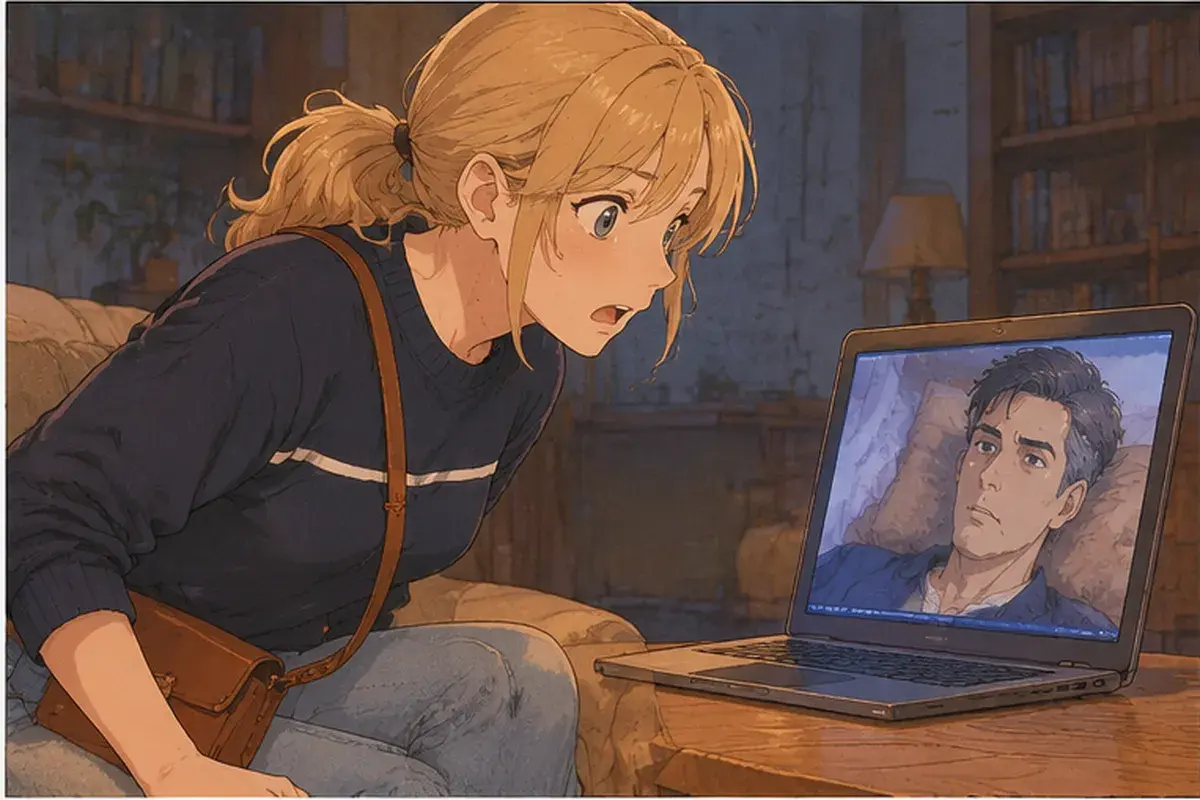
La intriga no falla: cada capítulo termina con tanto suspense que es imposible no ver el siguiente.
The intrigue never lets you down: every episode ends with so much suspense that it's impossible not to watch the next one.
La interpretación del actor principal es fascinante: miente tan bien que el espectador le cree hasta el último capítulo.
The lead actor's performance is fascinating: he lies so well that the viewer believes him until the last episode.

Es ficción, claro, pero mientras la veía se me olvidaba: todo parece de verdad.
It's fiction, of course, but while I was watching it, I kept forgetting: everything seems real.
La audiencia crece cada semana, y lo entiendo: para mí es una obra maestra.
The audience grows every week, and I get it: for me, it's a masterpiece.

Dicen que no habrá segunda temporada. ¡Ojalá la rodaran! Ojalá todas las series fueran así.
They say there won't be a second season. I wish they'd film it! I wish all series were like this.
Si todavía no la habéis visto, ojalá os guste tanto como a mí. ¡Ojalá pudiera yo verla otra vez por primera vez!
If you haven't seen it yet, I hope you like it as much as I did. I wish I could watch it again for the first time! (to several people)
Grammar for this text
Como si in a review. It's a handy way to describe a character who pretends: vive como si el pasado no existiera — he lives as if the past didn't exist; habla como si el pueblo fuera suyo — he talks as if the town were his; como si no le doliera nada — as if nothing hurt her. The form is always the same: the imperfect subjunctive. Here fuera is a form of ser, not the word fuera meaning "outside".
Ojalá with two forms. ¡Ojalá la rodaran! — "I wish they'd film it!": there won't be a second season, so it's rodaran. Ojalá todas las series fueran así — in reality, they aren't. But ojalá os guste is the present subjunctive, "I hope you like it": you may well like the series.
Movie language. Se rodó en... — "it was shot in..."; se basa en un libro — "it's based on a book". La serie de la que todo el mundo habla, un trauma del que nadie habla — "which" after a preposition (unit 4). Spanish puts the preposition first; English usually puts it at the end: the series everyone is talking about.
cómo se la hizo — "how he got it" (the scar): hacerse with a scar or an injury means "to get"; la is la cicatriz, and se shows it happened to him.
Words and grammar of the unit: Say that someone is pretending.
Learn the words from the texts with flashcards
In the app, you can tap any word in a text to see its translation, forms and examples, and new words stick with flashcards. 15 minutes a day.
Start for freeEverything is open for free. No card needed to sign up.