
Spanish story with translation · B2 · 16 lines
Recuerdos que nunca existieron Memories that never existed
Comic · 16 panels
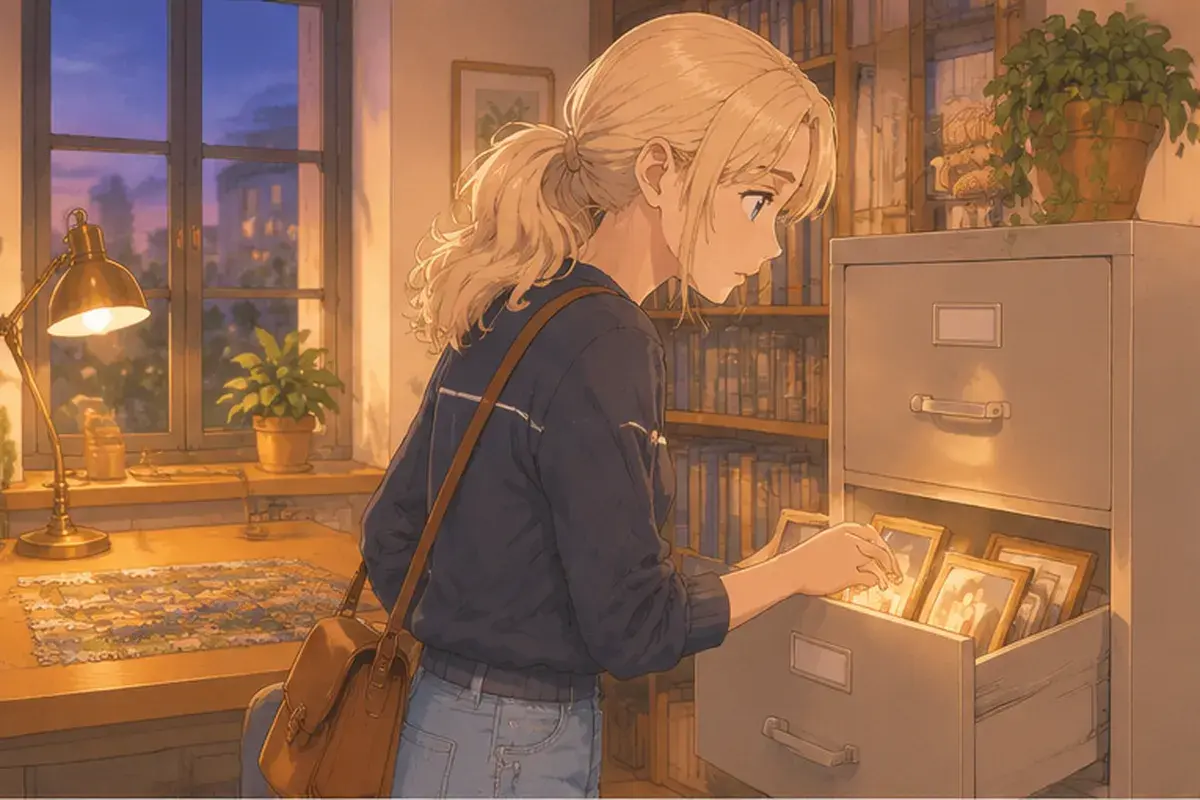
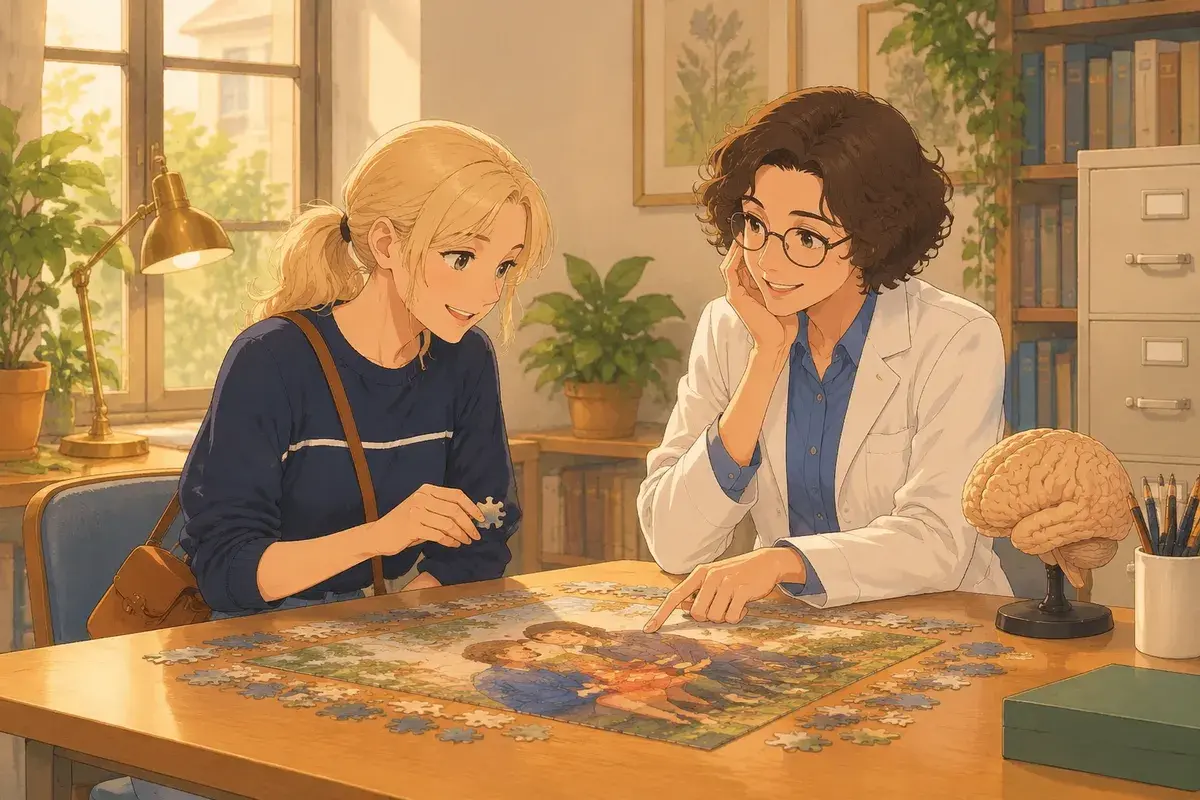
Buena parte de la población imagina la memoria como un archivo ordenado, donde cada recuerdo espera intacto a que alguien lo saque del cajón.
A large part of the population imagines memory as a neat archive, where each memory waits untouched for someone to take it out of the drawer.
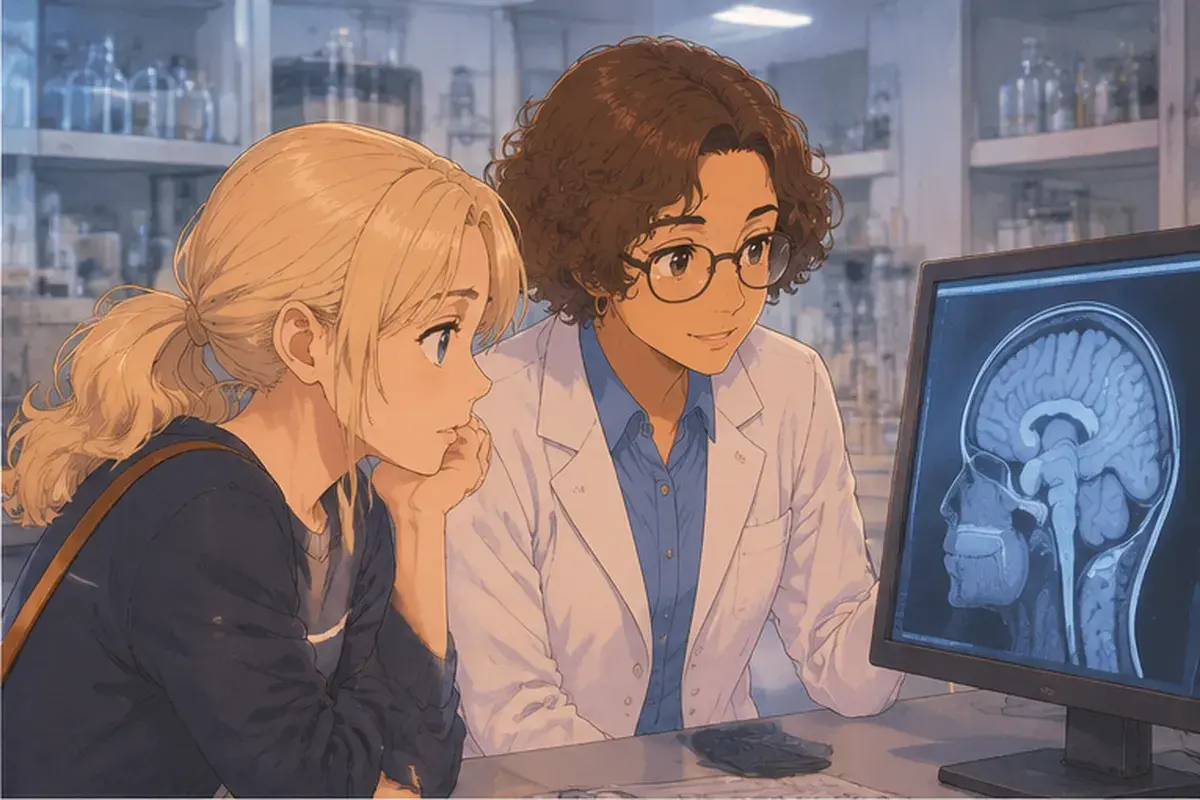
Los investigadores que la estudian en el laboratorio llevan años señalando que la realidad es muy distinta y bastante más sorprendente.
The researchers who study it in the lab have been pointing out for years that the reality is very different and much more surprising.
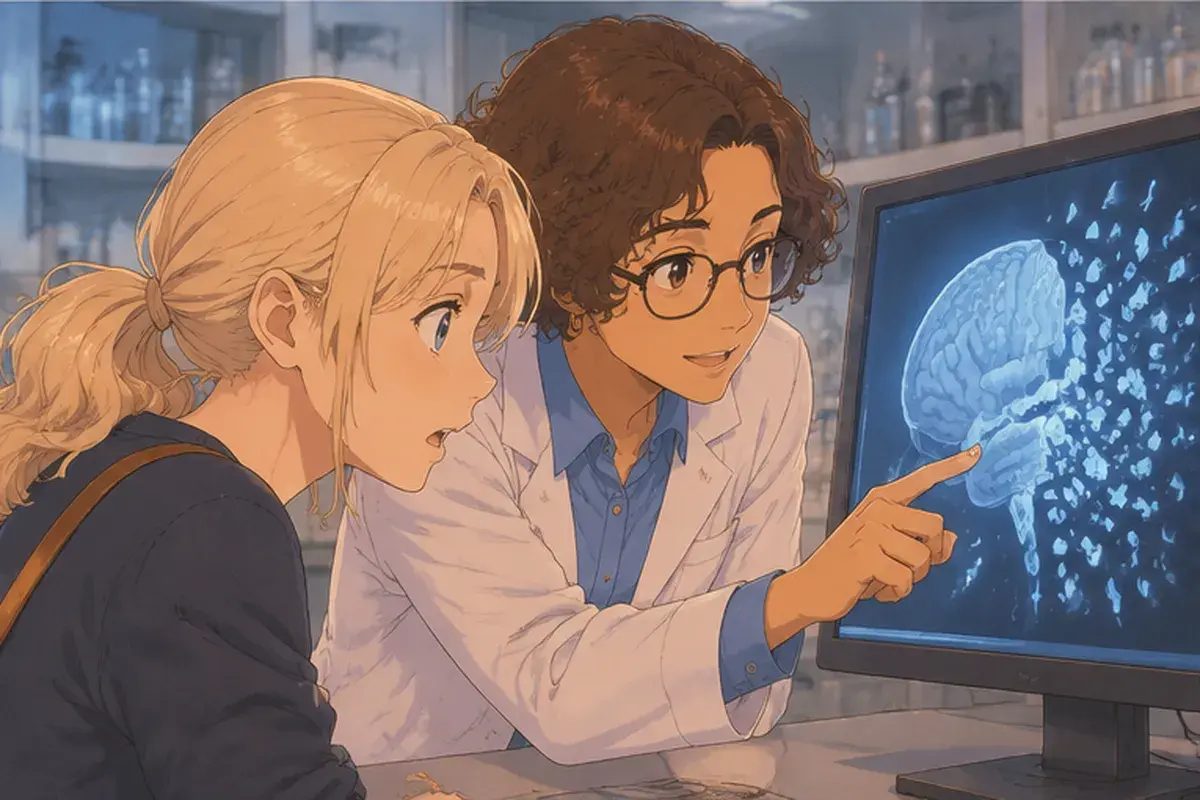
Según los datos más recientes, el cerebro no guarda un vídeo del pasado, sino que reconstruye cada recuerdo desde cero cada vez que lo recordamos.
According to the latest data, the brain doesn't store a video of the past; instead, it reconstructs each memory from scratch every time we recall it.
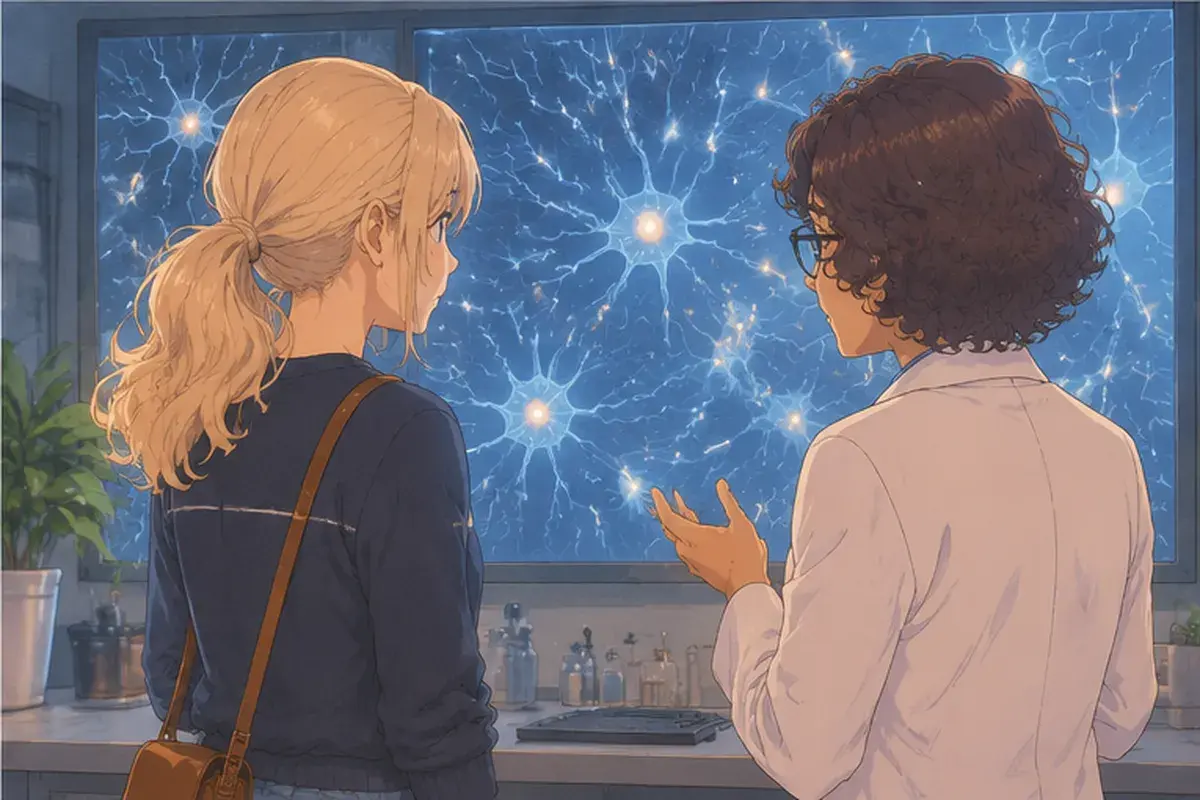
En esa tarea interviene un conjunto enorme de neuronas, y ninguna célula ni ningún gen guarda por sí solo la escena completa.
A huge set of neurons takes part in this task, and no single cell or gene stores the whole scene by itself.
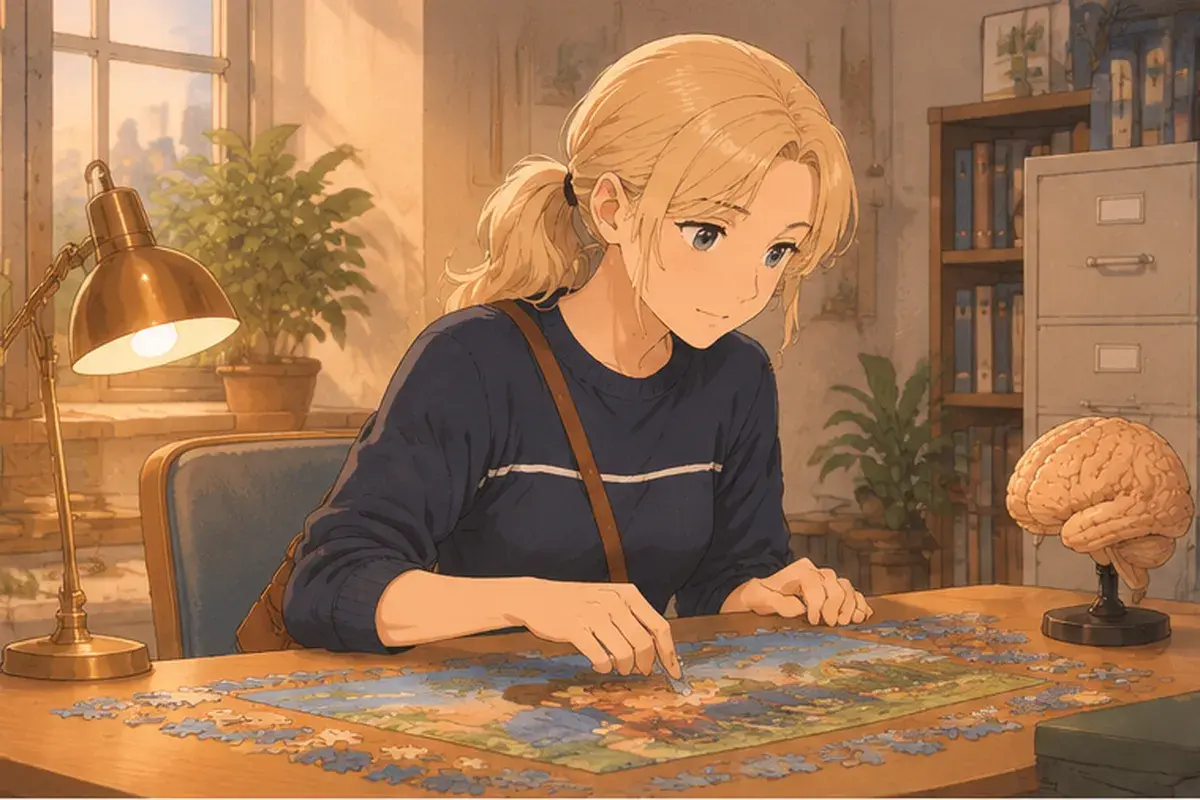
Al parecer, la estructura de un recuerdo se parece más a un puzle que a una fotografía: las piezas se guardan por separado y su combinación cambia un poco cada vez.
Apparently, the structure of a memory is more like a jigsaw puzzle than a photograph: the pieces are stored separately, and their combination changes a little each time.
Ese proceso tiene un inconveniente: mientras el cerebro reconstruye, puede entrar algo nuevo, y la última versión sustituye a la anterior sin dejar rastro.
This process has a drawback: while the brain is reconstructing, something new can get in, and the latest version replaces the previous one without leaving a trace.
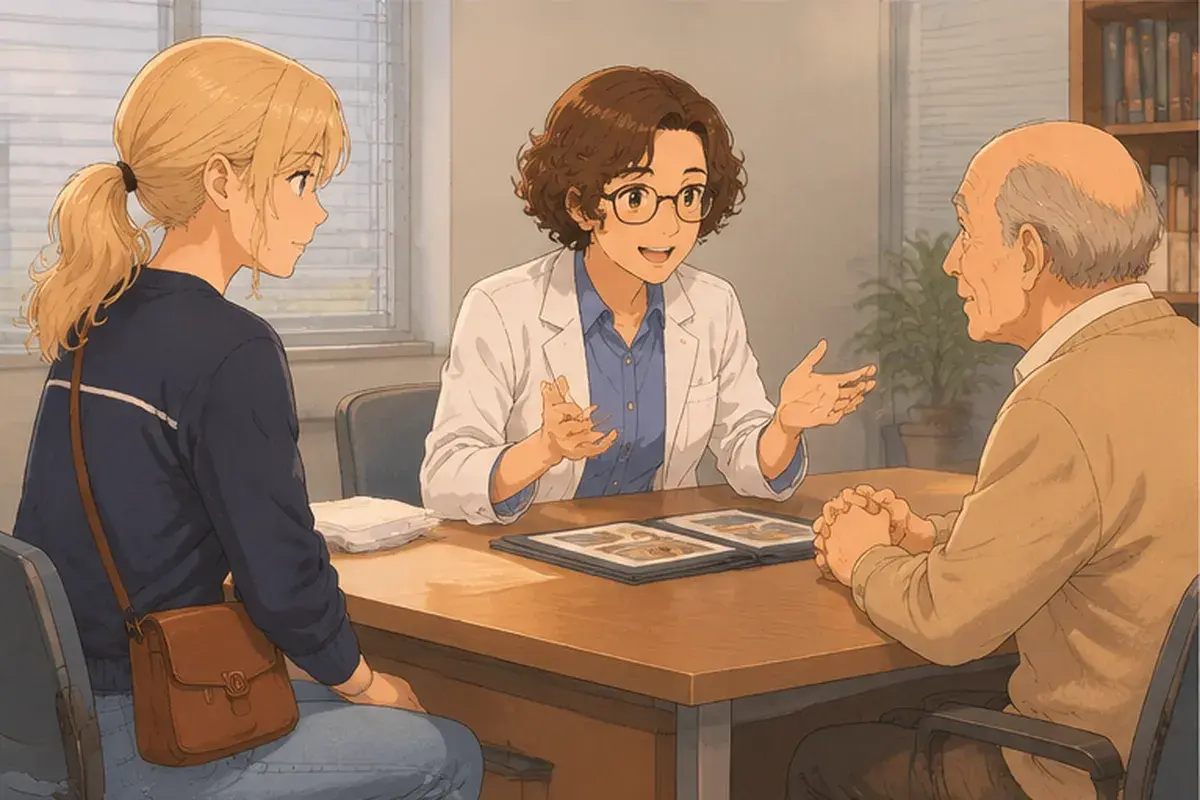
Un experimento muy citado fue realizado con adultos: los investigadores les contaron varios episodios de su infancia, y uno de ellos era inventado.
A widely cited experiment was carried out with adults: the researchers told them about several episodes from their childhood, and one of them was made up.
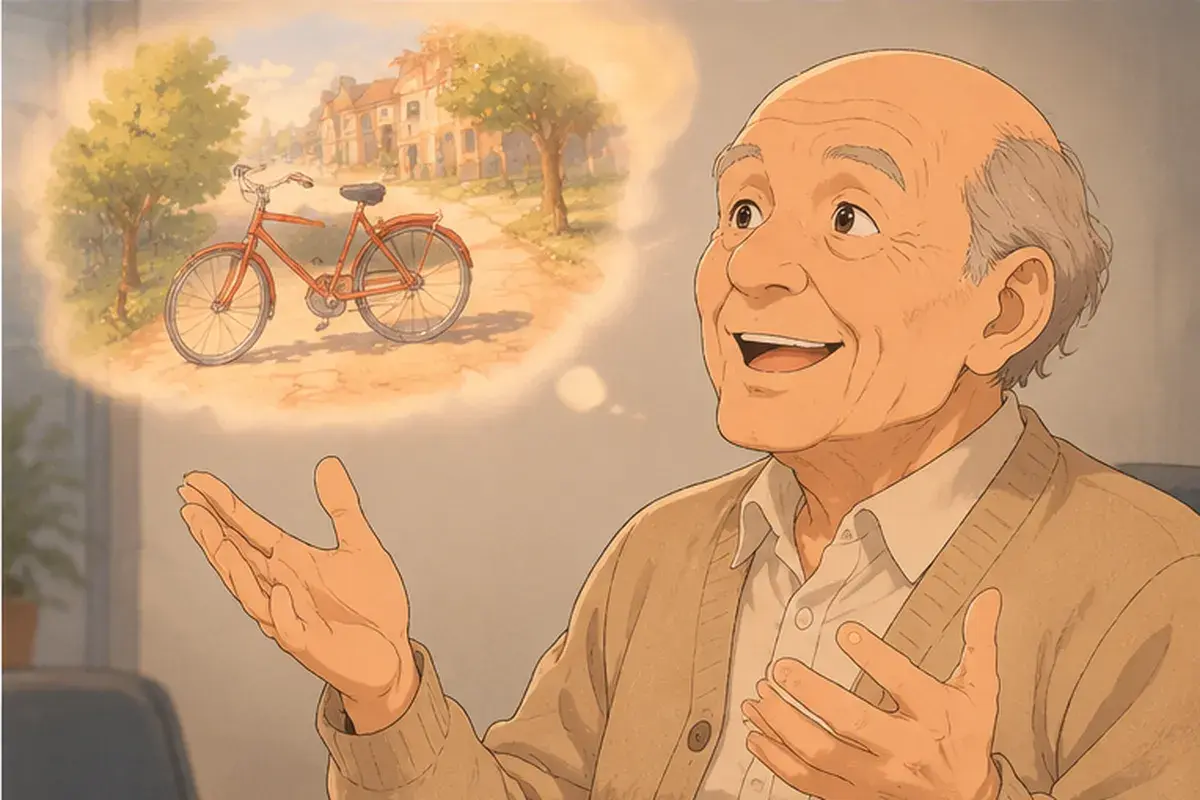
Pasado un tiempo, una parte de los participantes decía recordar el episodio falso y hasta añadía detalles, como si de verdad lo hubieran vivido.
After a while, some of the participants said they remembered the false episode and even added details, as if they had really lived through it.
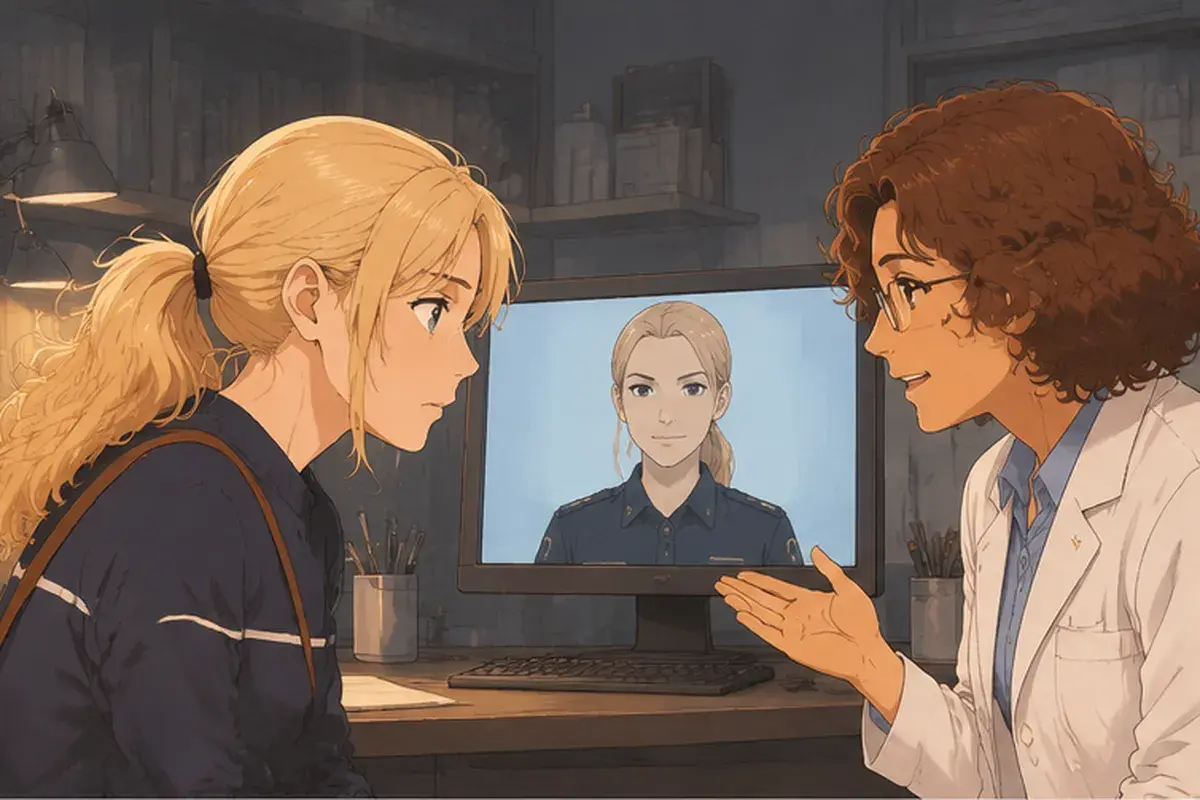
Lo más preocupante de este descubrimiento es que su convicción era sincera: se ha demostrado que la seguridad con que alguien cuenta algo no prueba que haya ocurrido así.
The most worrying thing about this discovery is that their conviction was sincere: it has been shown that how sure someone is when they describe something doesn't prove it happened that way.
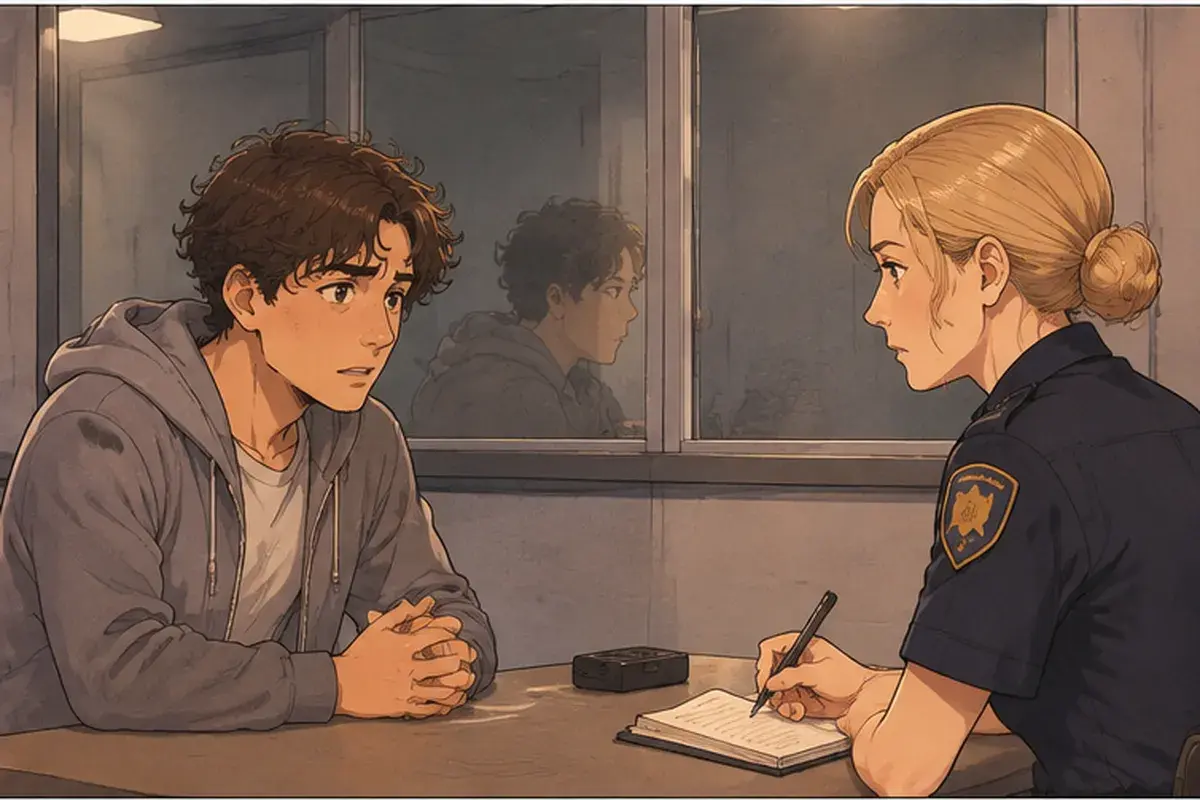
Por eso un testigo puede equivocarse sin querer, y desde fuera la conducta de quien miente y la de quien recuerda mal pueden parecerse mucho.
That's why a witness can be wrong without meaning to, and from the outside, the behavior of someone who's lying and someone who remembers badly can look very similar.
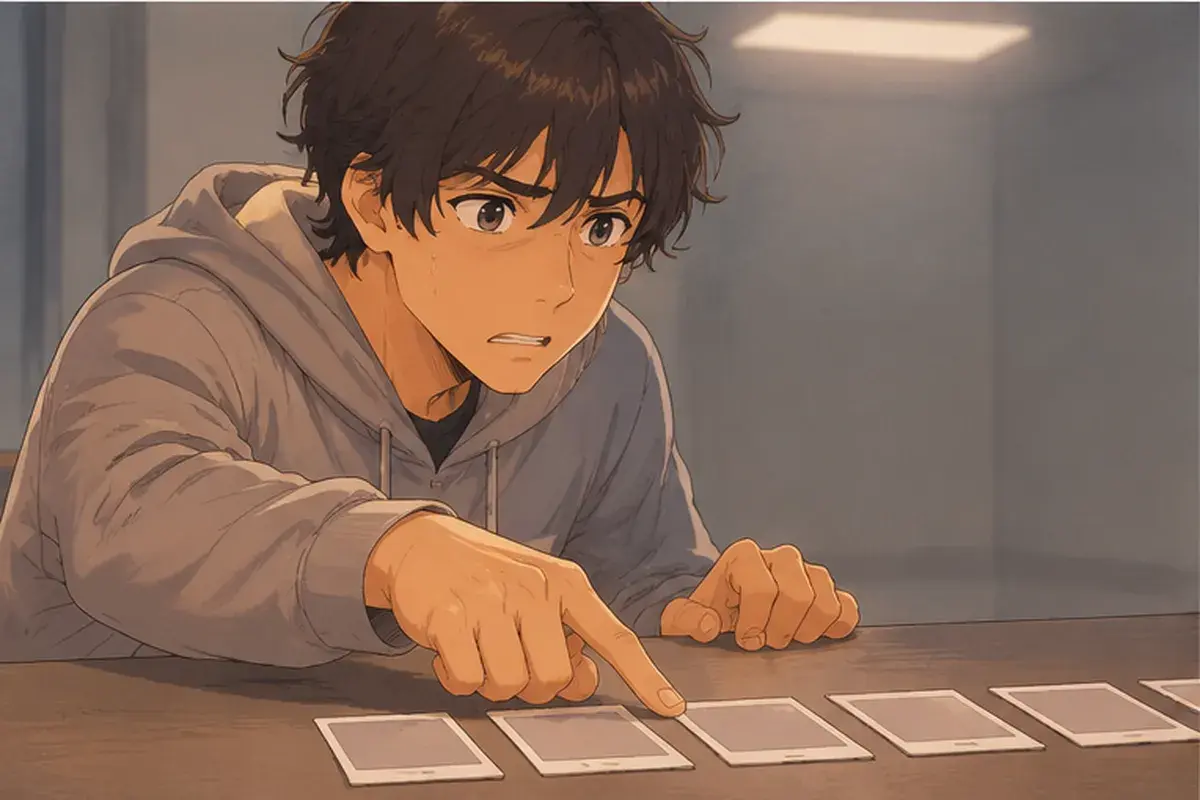
Los datos indican que la fiabilidad de un reconocimiento hecho bajo presión no es perfecta, y hasta los testimonios más sinceros llevan dentro un error potencial, aunque nadie quiera engañar.
The data show that the reliability of an identification made under pressure isn't perfect, and even the most sincere testimonies carry a potential error, even if no one wants to deceive.

Los psicólogos hablan de sesgos: tendemos a completar los huecos con lo que esperamos, y esa costumbre distorsiona el recuerdo sin que lo notemos, y nadie consigue eliminarla del todo.
Psychologists talk about biases: we tend to fill the gaps with what we expect, and this habit distorts the memory without our noticing, and no one manages to get rid of it completely.

Influye también la química del cerebro: las emociones fuertes hacen que un recuerdo parezca más claro, aunque no sea más exacto.
The brain's chemistry plays a part too: strong emotions make a memory seem clearer, even if it isn't more accurate.
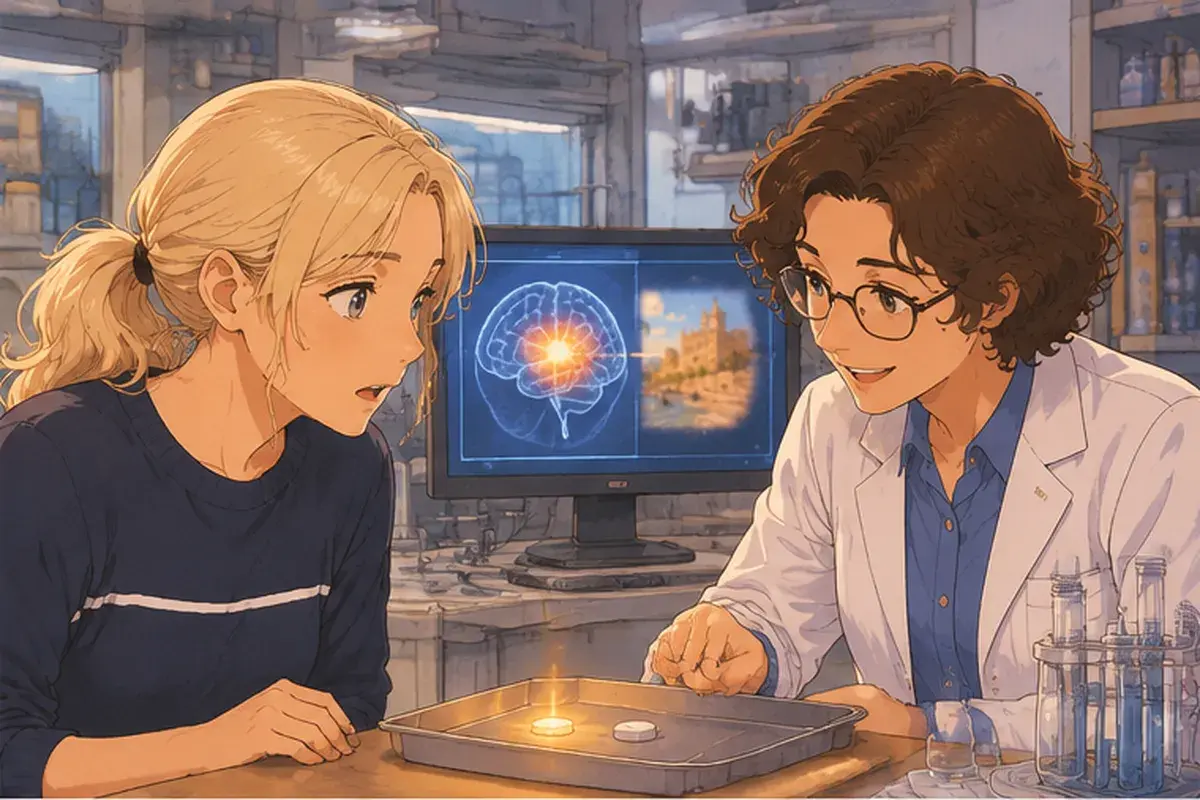
Algo parecido ocurre con el efecto placebo: lo que ya creemos cambia lo que vemos y oímos, y una creencia previa puede influir en lo que luego recordamos.
Something similar happens with the placebo effect: what we already believe changes what we see and hear, and a belief we had before can affect what we remember later.

La buena noticia es que dormir ayuda: durante algunas fases del sueño el cerebro repasa lo vivido y fija lo que parece importante.
The good news is that sleep helps: during some phases of sleep, the brain goes over what we've lived through and locks in what seems important.

La evolución podría haber creado una memoria útil para prever el futuro más que para archivar el pasado; si es así, cuando dos personas discuten sobre la historia de su familia, ninguna miente y las dos pueden tener razón.
Evolution may have created a memory that's useful for predicting the future more than for filing away the past; if so, when two people argue about their family history, neither of them is lying, and both can be right.
Grammar for this text
How a science article talks (more in the unit's grammar).
- Según los datos más recientes — según + source: "according to." Al parecer — "apparently": the writer draws a conclusion from the signs, without being completely sure.
- se ha demostrado que la seguridad… no prueba que haya ocurrido así — after "it has been shown that" comes the normal form (indicative), but after no prueba que comes the subjunctive haya ocurrido, because the writer denies it.
- Un experimento muy citado fue realizado con adultos — the passive voice: ser + past participle, "was carried out." The text doesn't say who did it, because the experiment matters, not the people. In les contaron, les ("them") means the adults in the experiment.
- no guarda un vídeo del pasado, sino que reconstruye cada recuerdo — no… sino que + verb: "doesn't…, but instead…." llevan años señalando — llevar + time + gerund: "have been pointing out for years." espera intacto a que alguien lo saque del cajón — after esperar a que, the subjunctive saque ("takes out").
- puede entrar algo nuevo — puede + infinitive: "something new can get in." como si de verdad lo hubieran vivido — como si + hubieran vivido (the -ra form): "as if they had really lived through it." aunque nadie quiera engañar and aunque no sea más exacto — aunque + subjunctive: "even if." sin que lo notemos — sin que + subjunctive: "without our noticing."
- La evolución podría haber creado… — podría haber + past participle: the writer's careful guess, "may have created."
Words and grammar of the unit: Argue about memory and beliefs.
Learn the words from the texts with flashcards
In the app, you can tap any word in a text to see its translation, forms and examples, and new words stick with flashcards. 15 minutes a day.
Start for freeEverything is open for free. No card needed to sign up.