

Spanish story with translation · B1 · 18 lines
El bulo que todos creyeron The hoax everyone believed
Comic · 12 panels

El lunes desayunaba en el bar de abajo cuando oí una noticia en la radio: «ley nueva… bares… cerrar a las diez de la noche».
On Monday I was having breakfast at the bar downstairs when I heard a news story on the radio: "new law… bars… close at ten p.m."
Había mucho ruido y no lo entendí todo, pero en casa se lo conté a Dani: «Creo que el Gobierno va a cerrar los bares a las diez».
It was very noisy and I didn't understand all of it, but at home I told Dani: "I think the government is going to close the bars at ten."
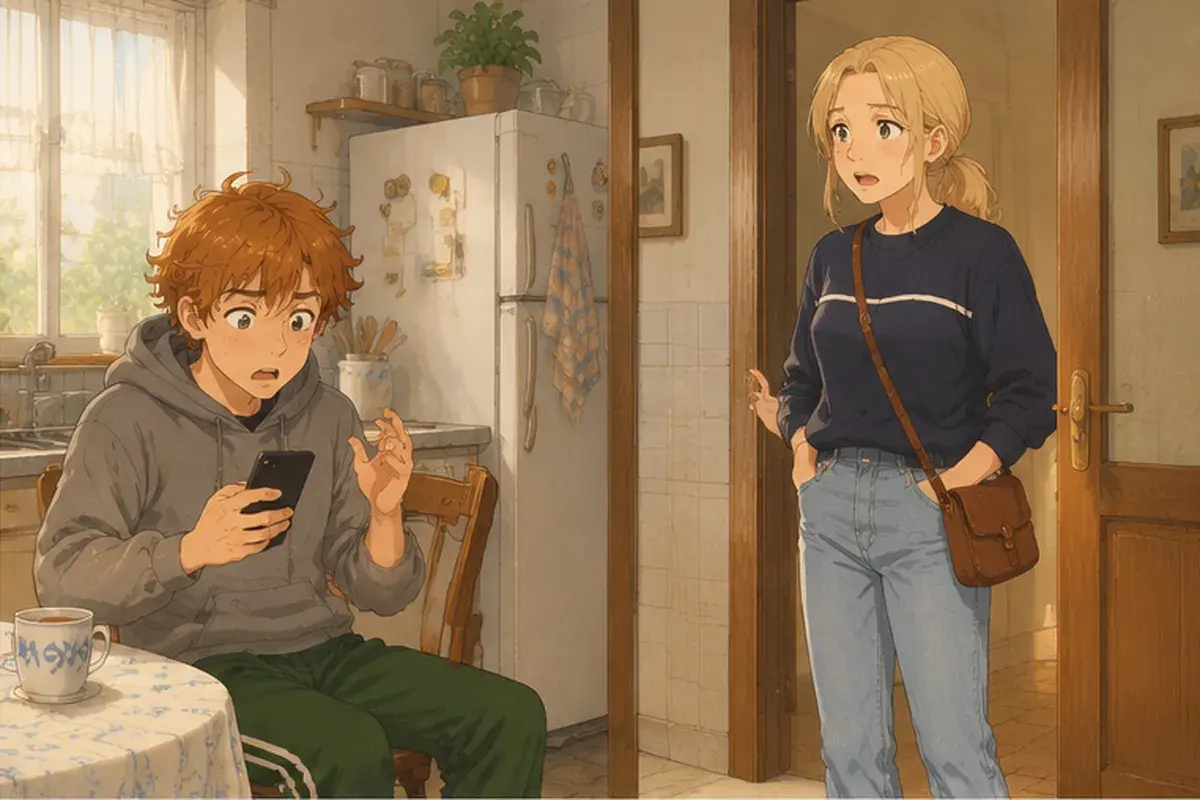
Dani flipó y lo escribió en el grupo de vecinos. Una hora después, medio barrio lo difundía por las redes sociales.
Dani freaked out and posted it in the neighbors' group chat. An hour later, half the neighborhood was spreading it on social media.
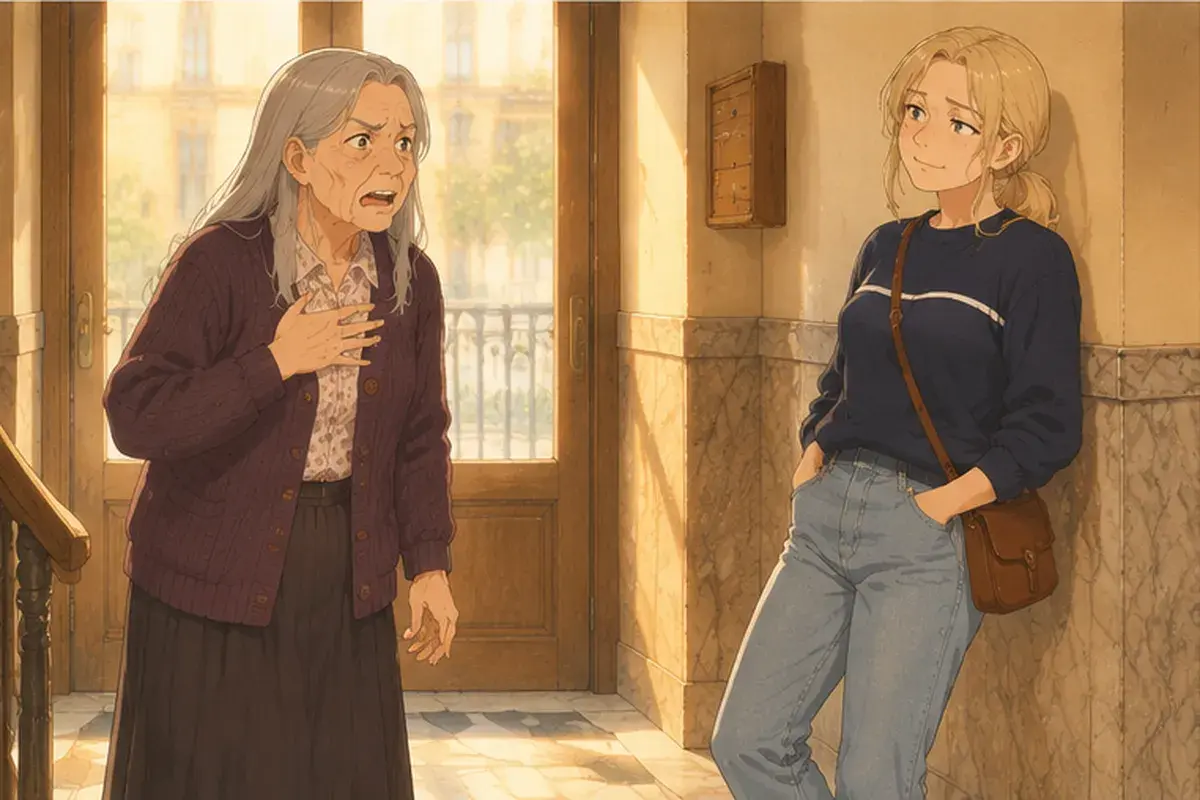
El martes el bulo ya era enorme: «El presidente ha firmado una ley nacional: ¡prohibido cenar fuera después de las diez!».
By Tuesday the hoax was huge: "The president has signed a national law: eating out after ten is banned!"
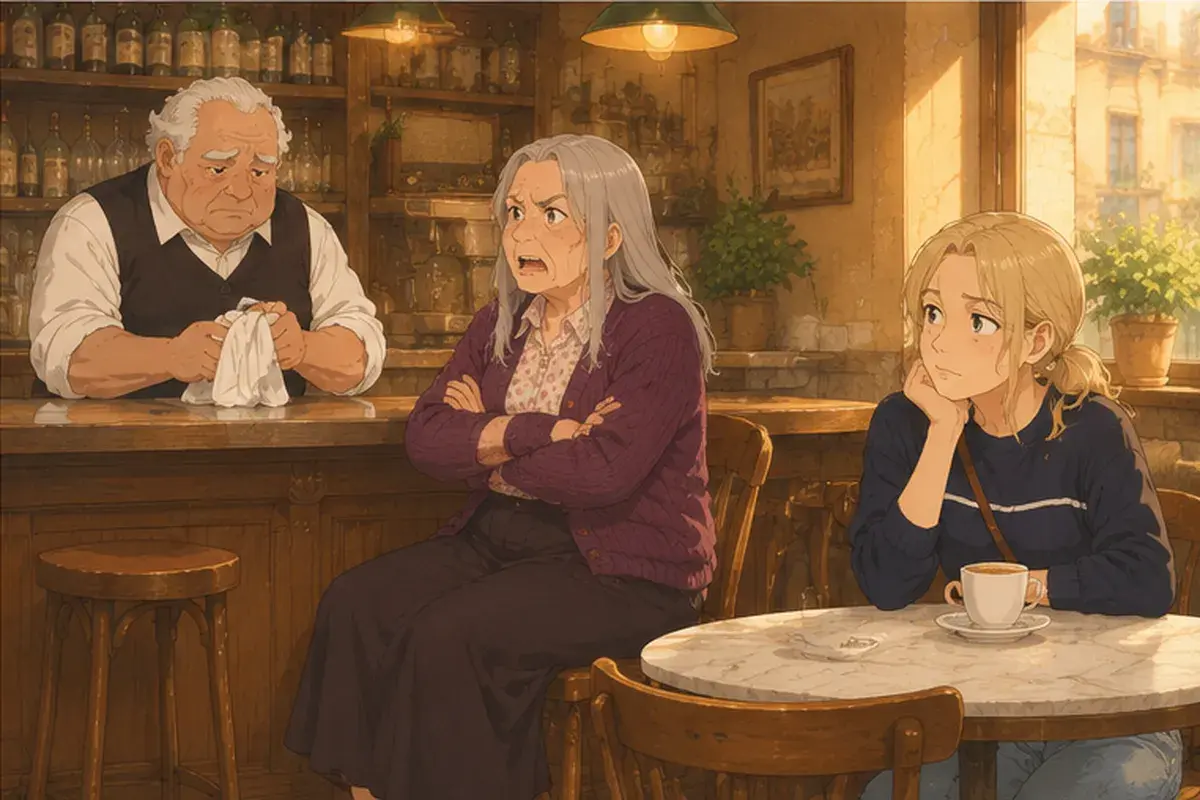
Carmen, que nunca habla de política, estaba indignada: «¡Me molesta que el Gobierno decida a qué hora ceno!».
Carmen, who never talks about politics, was outraged: "It bothers me that the government decides what time I have dinner!"
Vicente, el dueño del bar, decía que iba a cerrar el negocio: «En España nadie cena antes de las diez».
Vicente, the owner of the bar, was saying he was going to close his business: "In Spain nobody has dinner before ten."
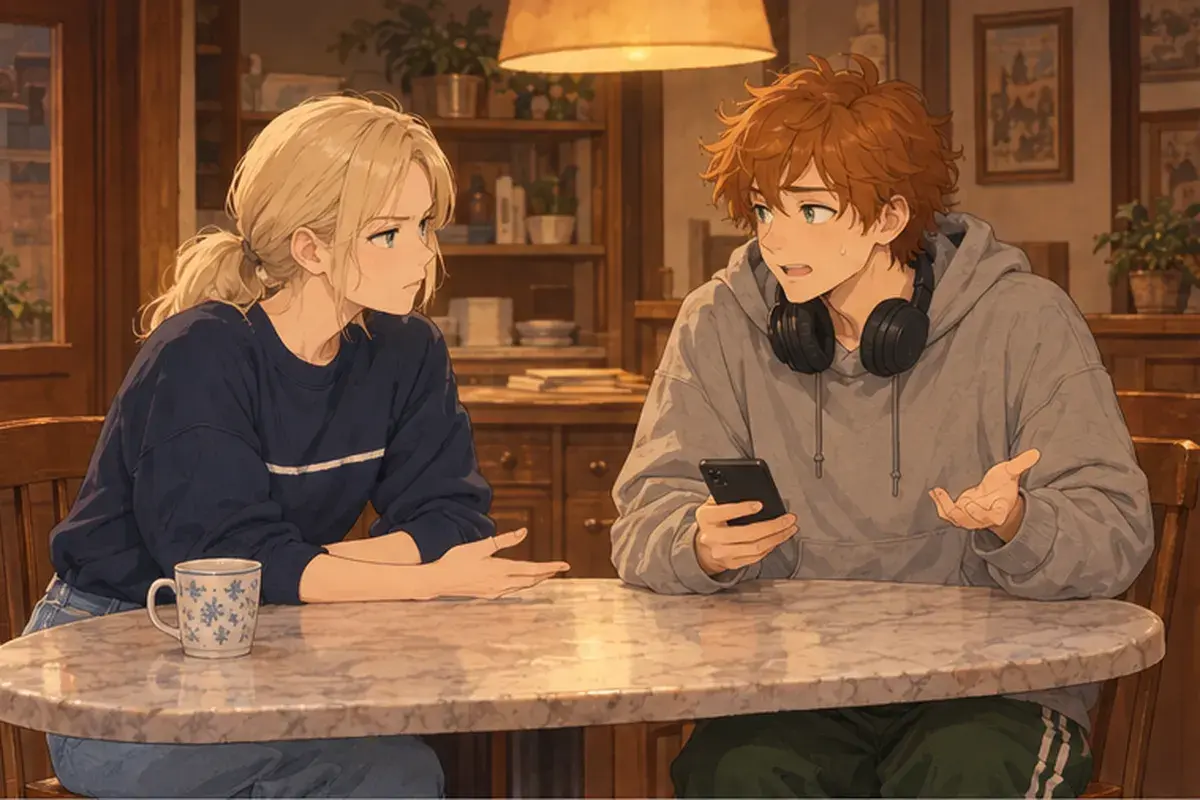
Sin embargo, a mí eso ya no me parecía creíble. «No creo que sea verdad», le dije a Dani.
However, that didn't seem believable to me anymore. "I don't think it's true," I told Dani.
«Dudo que un gobierno prohíba cenar tarde en España: no tiene sentido».
"I doubt a government will ban eating late in Spain: it makes no sense."
«Pues lo dice todo el mundo», contestó él. «No creo que tanta gente se equivoque».
"Well, everybody's saying it," he answered. "I don't think so many people are wrong."

«Eso no demuestra nada. Nuestro cerebro cree lo que oye muchas veces», dije yo.
"That doesn't prove anything. Our brain believes what it hears many times," I said.

Busqué en la prensa nacional y no encontré nada: ningún periodista hablaba de esa ley.
I searched the national press and found nothing: no journalist was talking about that law.
La única página web que «confirmaba» la noticia no me pareció de fiar: no decía quién lo había escrito ni con qué base.
The only website that "confirmed" the news didn't seem trustworthy to me: it didn't say who had written it or on what basis.

Por la noche encontré por fin la noticia real. No era una ley nacional: era más bien una norma de un pueblo del norte, solo para las terrazas de una plaza.
That night I finally found the real news. It wasn't a national law: it was more like a rule in a town in the north, just for the outdoor seating on a square.

O sea, la causa de todo era yo: oí la mitad de una noticia y me imaginé el resto.
I mean, the cause of it all was me: I heard half a news story and imagined the rest.
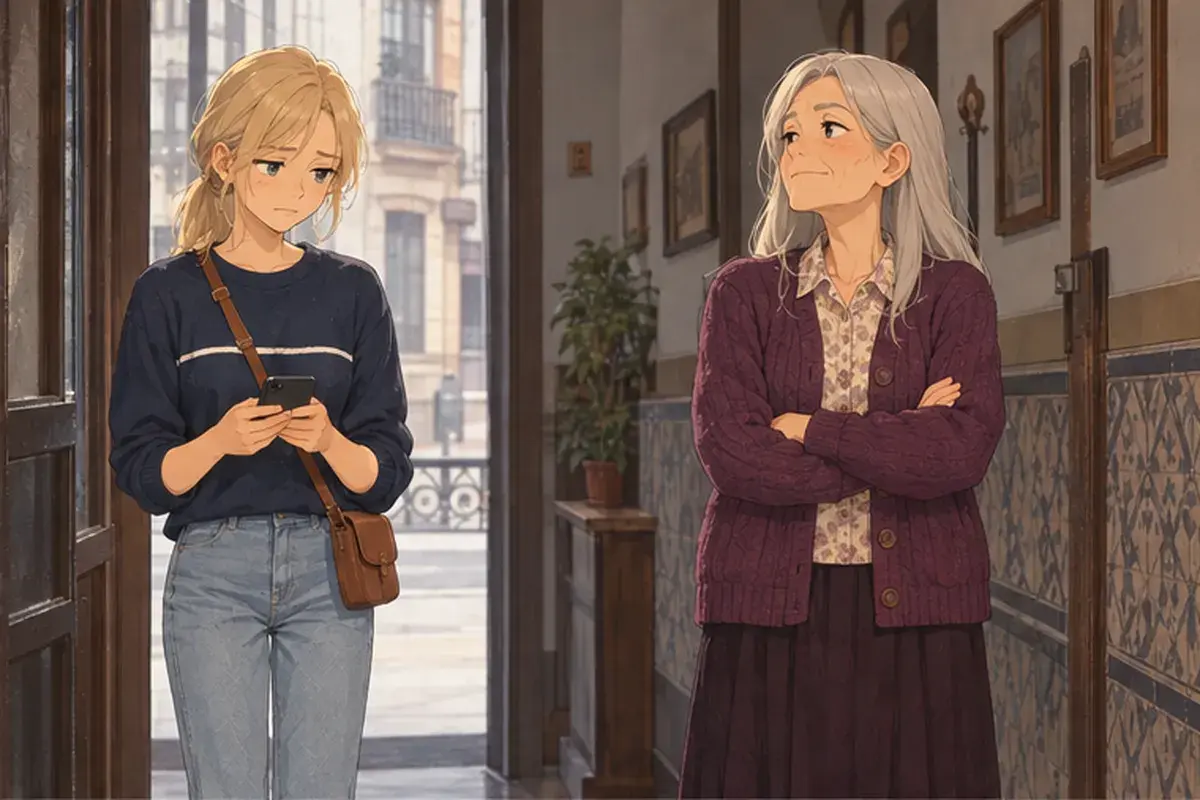
Lo desmentí en el grupo y puse la noticia real. Pero desmentir un bulo es mucho más difícil que difundirlo.
I debunked it in the group and posted the real news. But debunking a hoax is much harder than spreading it.
Carmen contestó: «Puede que el Gobierno todavía no quiera decirlo».
Carmen replied: "Maybe the government doesn't want to say it yet."

Desde entonces tengo una regla: antes de contar una noticia, compruebo quién la dice y si la página web es fiable.
Since then I've had a rule: before I pass on a news story, I check who's saying it and whether the website is reliable.
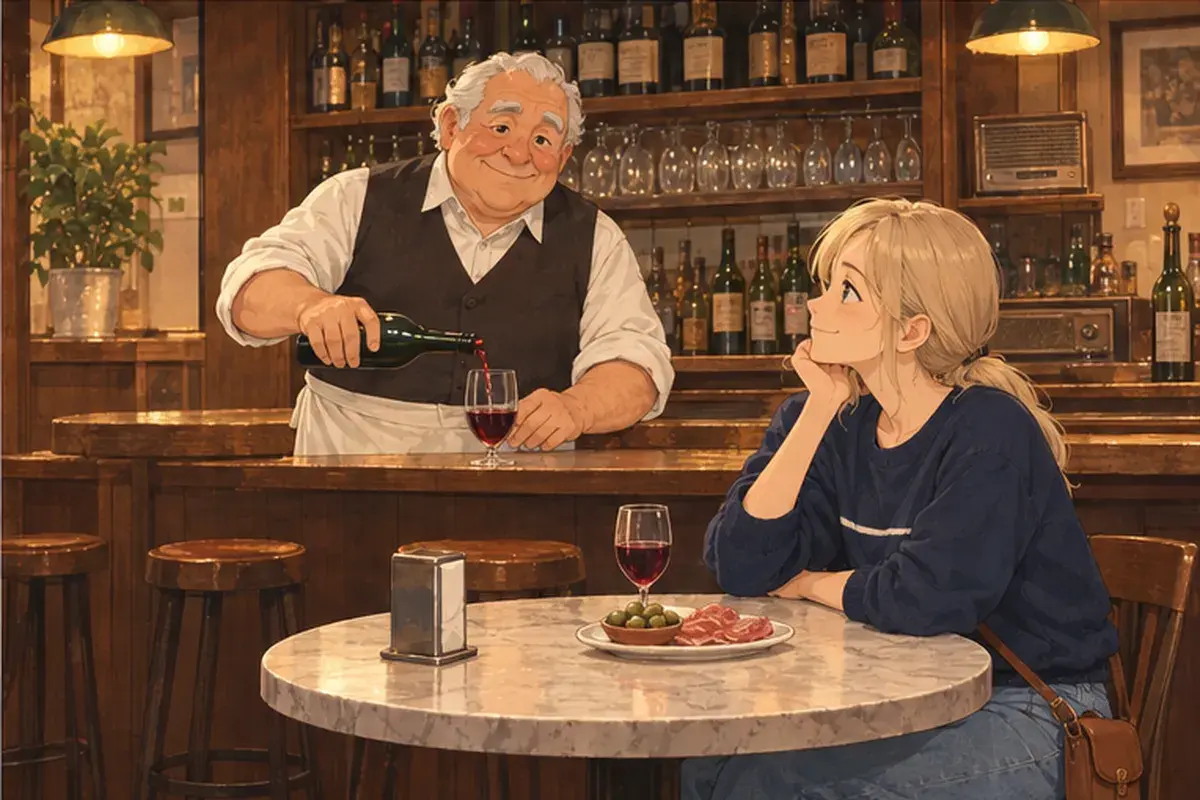
Y Vicente, claro, no cerró el negocio. Ayer cenamos en su bar a las once.
And Vicente, of course, didn't close his business. Yesterday we had dinner at his bar at eleven.
Grammar for this text
Doubt in direct speech. Ana doesn't believe the rumor: no creo que sea verdad, dudo que un gobierno prohíba cenar tarde. Dani argues the same way: no creo que tanta gente se equivoque. But at the start Ana passes the news on as a fact, so the form is normal: creo que el Gobierno va a cerrar los bares.
Me molesta que. Me molesta que el Gobierno decida a qué hora ceno — what bothers Carmen is someone else's action, so it's que + subjunctive.
Puede que — a set phrase for "maybe", always followed by the subjunctive: puede que el Gobierno todavía no quiera decirlo. The rule comes later.
Más bien — "rather, more like": era más bien una norma de un pueblo — it was more like a local rule.
Local details. El presidente in Spain is the head of the government, similar to a prime minister. El grupo de vecinos is the building's group chat. And dinner at ten p.m. really is normal in Spain.
Words and grammar of the unit: Express doubt about what others say.
Learn the words from the texts with flashcards
In the app, you can tap any word in a text to see its translation, forms and examples, and new words stick with flashcards. 15 minutes a day.
Start for freeEverything is open for free. No card needed to sign up.