

Spanish story with translation · B1 · 17 lines
¿Les importaría no usar el taladro? Would you mind not using the drill? (to several people, formal)
Comic · 16 panels

Con Gonzalo todo fue fácil: hablamos, llegamos a un acuerdo y desde entonces duermo bien.
With Gonzalo, everything was easy: we talked, we reached an agreement, and since then I've been sleeping well.

Pero el domingo, a las ocho de la mañana, me despertó otro ruido: un taladro.
But on Sunday, at eight in the morning, another noise woke me up: a drill.
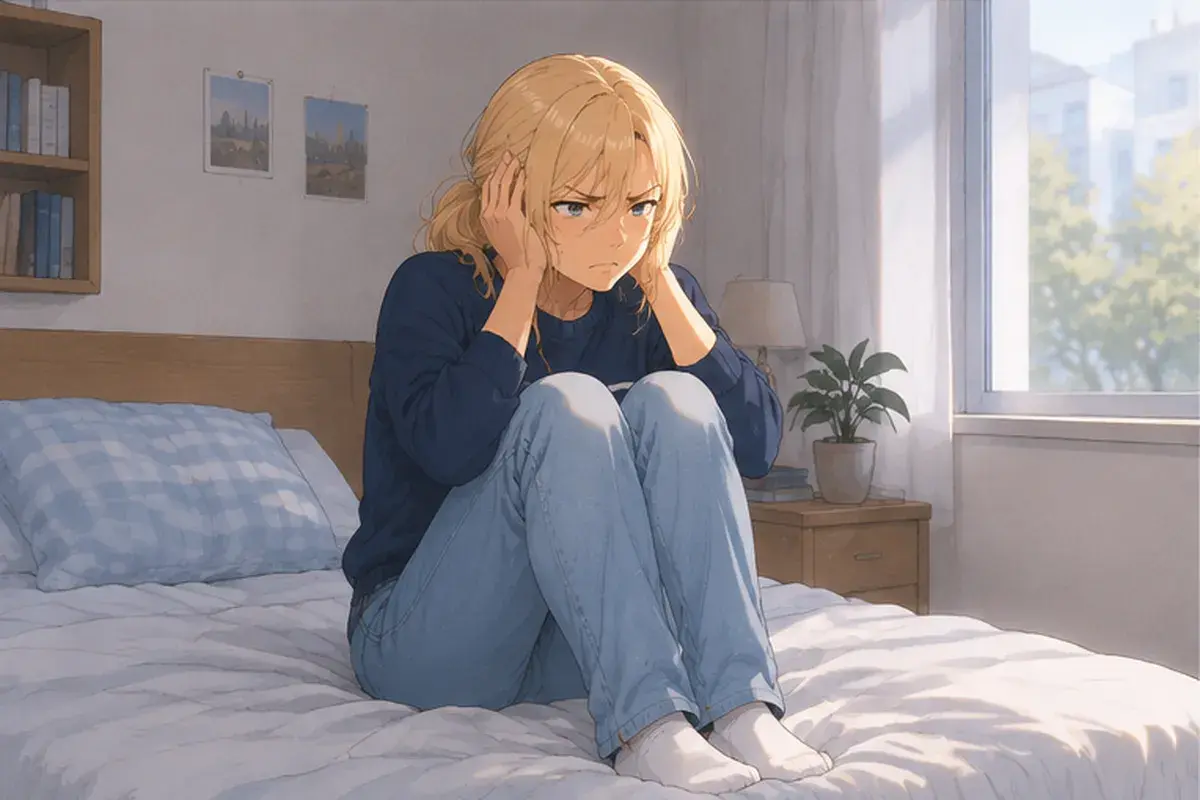
«¡Otra vez mi vecino! Esto ya no lo soporto», pensé.
"My neighbor again! I can't stand this anymore," I thought.

No quería llamar a su puerta otra vez. Por eso escribí una nota y la dejé en el portal, debajo del cartel con las normas de convivencia.
I didn't want to knock on his door again. So I wrote a note and left it in the building entrance, under the sign with the rules for residents.
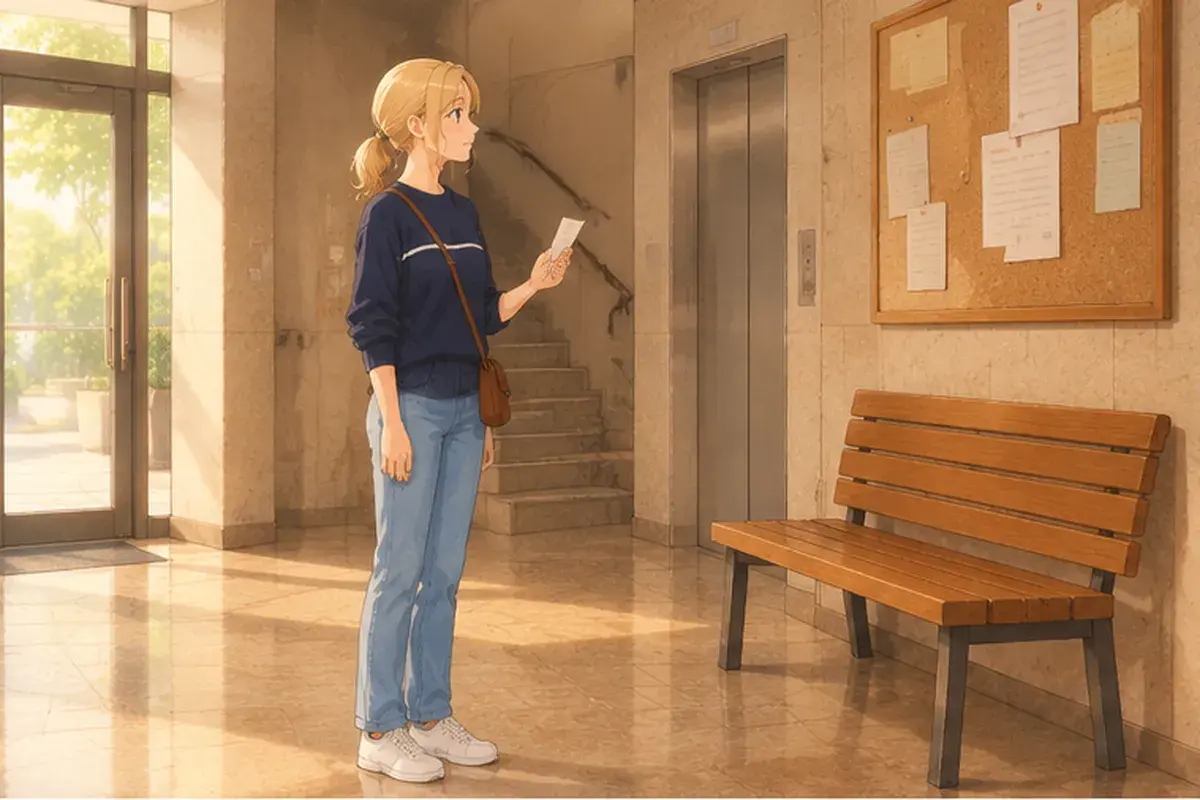
«Queridos vecinos: quería hablarles de un asunto. ¿Les importaría no usar el taladro los domingos por la mañana?»
"Dear neighbors, I wanted to talk to you about an issue. Would you mind not using the drill on Sunday mornings?" (to several people, formal)
«Para evitar problemas, ¿podrían dejar las obras para el sábado? Gracias por su atención y por respetar las normas. Una vecina del quinto».
"To avoid problems, could you leave the work for Saturday? Thank you for your attention and for following the rules. A neighbor from the fifth floor." (to several people, formal, woman speaking)
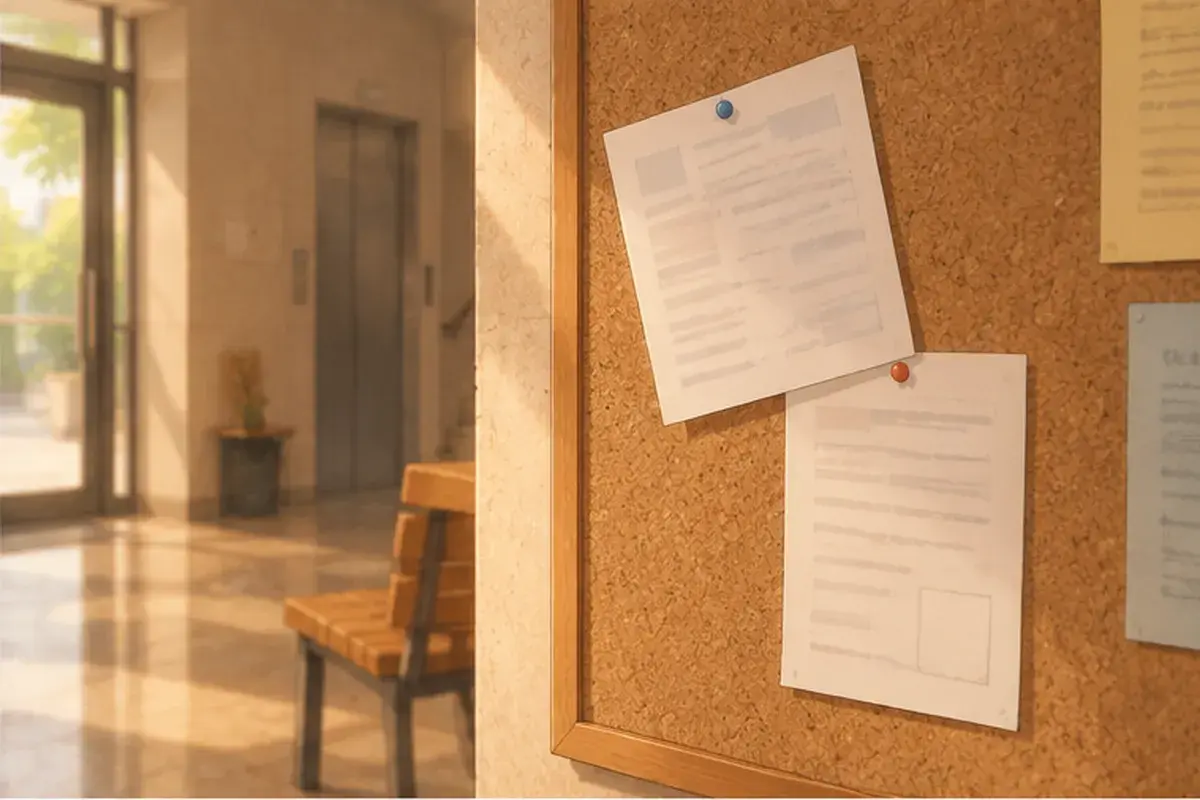
Al día siguiente, debajo de la mía, había otra nota.
The next day, under mine, there was another note.

«Querida vecina del quinto: le pido perdón. El del taladro es mi nieto: me está arreglando la cocina y solo puede venir los domingos».
"Dear neighbor on the fifth floor, I apologize. The one with the drill is my grandson: he's fixing up my kitchen and can only come on Sundays." (to a woman, formal)

«Yo ya no oigo muy bien y no pensé en el ruido. ¿Le importaría bajar a tomar un café conmigo? Me gustaría hablar con usted. Amparo, del cuarto».
"I don't hear very well anymore, and I didn't think about the noise. Would you mind coming down for a coffee with me? I'd like to talk with you. Amparo, from the fourth floor." (formal)

¡Amparo! La señora que nació en este edificio y siempre me llama «hija». ¡Qué vergüenza!
Amparo! The lady who was born in this building and always calls me "honey." How embarrassing!

Subí a casa, y en el rellano estaba Gonzalo, muy serio: «Ana, ¿has visto la nota del portal? ¡De verdad, yo no tengo taladro!».
I went back up home, and Gonzalo was on the landing, very serious: "Ana, have you seen the note in the building entrance? Honestly, I don't have a drill!"

«Lo sé. La nota la escribí yo… y pensaba que eras tú. ¿Me perdonas?», le pregunté.
"I know. I'm the one who wrote the note… and I thought it was you. Will you forgive me?" I asked him.

Gonzalo empezó a reírse: «Te perdono si me llevas a ese café».
Gonzalo started laughing: "I'll forgive you if you take me along for that coffee."

Por la tarde bajamos los dos a casa de Amparo con una tarta y entramos con un «¿Se puede?» muy educado.
In the afternoon, the two of us went down to Amparo's place with a cake and came in with a very polite "May we come in?"

Amparo es muy considerada: «A partir de ahora mi nieto vendrá los domingos, pero después de las doce. ¿Os parece bien?».
Amparo is very considerate: "From now on my grandson will come on Sundays, but after twelve. Is that OK with you?" (to several people)

¡Quién lo diría! Escribí una queja y ahora tengo dos amigos nuevos en el edificio.
Who would have thought! I wrote a complaint, and now I have two new friends in the building.

Desde ese día tengo una regla: antes de quejarme, pregunto.
Since that day I've had a rule: before I complain, I ask.
Grammar for this text
A note to everyone: ustedes. To all the neighbors at once Ana writes with ustedes: quería hablarles — "I wanted to talk to you", ¿les importaría no usar…? — "would you mind not using…?", ¿podrían dejar…? — "could you leave…?". Amparo writes to one neighbor with usted: le pido perdón, ¿le importaría bajar…?, me gustaría hablar con usted. Gracias por su atención — the usual ending of a notice: "thank you for your attention". When Amparo talks to Ana and Gonzalo face to face, she switches to vosotros: ¿Os parece bien? — "Is that OK with you?".
Set phrases. ¡Quién lo diría! — "who would have thought!" (literally "who would say it"). ¿Se puede? — "may we come in?": people say it when they step into someone's home or room. El del taladro — "the one with the drill". Del quinto, del cuarto — "from the fifth floor", "from the fourth floor". Queridos vecinos — "Dear neighbors": a way to start a letter; querido comes from querer (to love).
Word order. La nota la escribí yo — "I'm the one who wrote the note": the object comes first, and la repeats it.
Words and grammar of the unit: Ask your neighbors to keep it down.
Learn the words from the texts with flashcards
In the app, you can tap any word in a text to see its translation, forms and examples, and new words stick with flashcards. 15 minutes a day.
Start for freeEverything is open for free. No card needed to sign up.